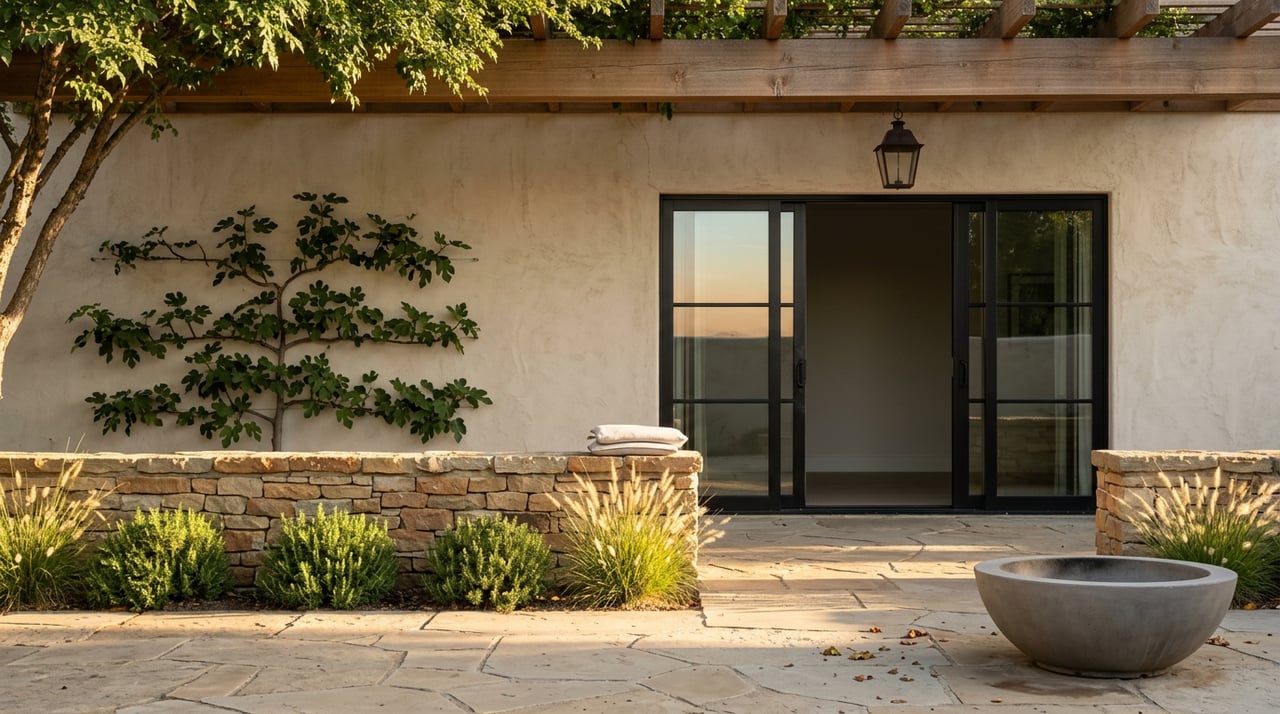
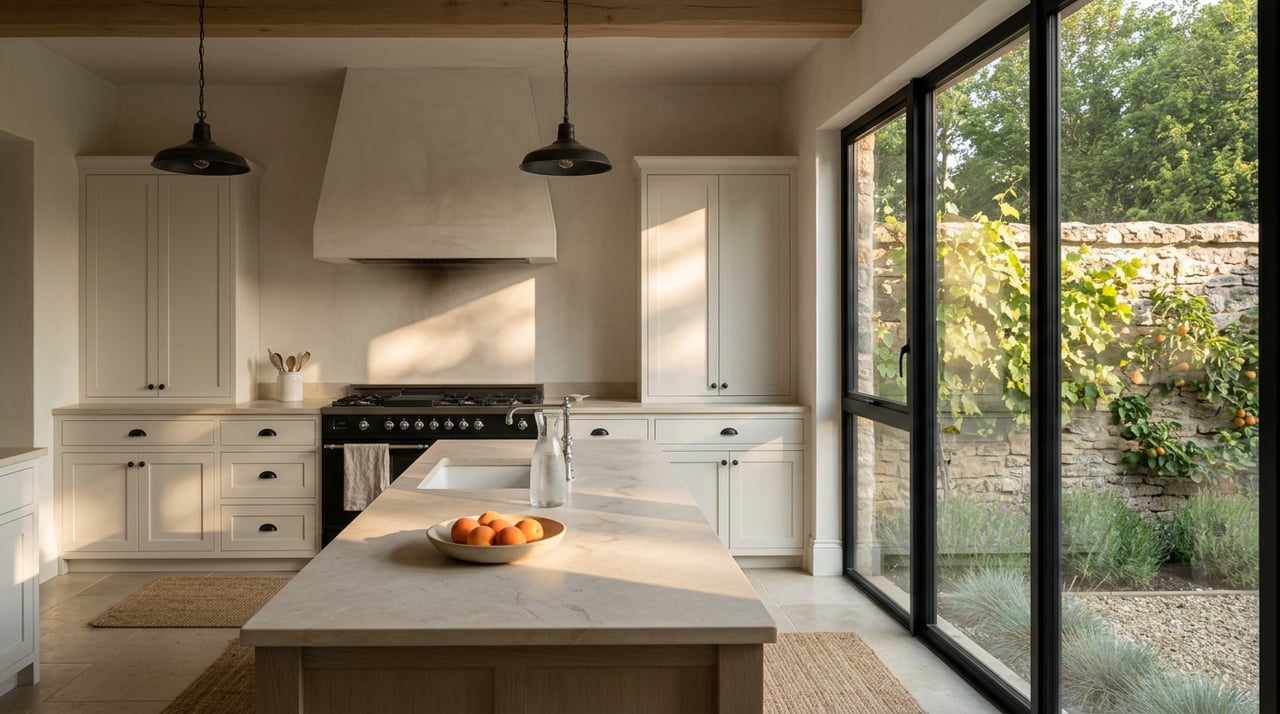
If your windows frame the Colorado National Monument, the Book Cliffs, or the Grand Mesa, your view is the headline of your home. You want to capture that value, reduce stress, and move on your timeline. In this guide, you’ll get a simple, step‑by‑step plan tailored to Redlands light, climate, and buyer expectations so you can show your home at its best. Let’s dive in.
Why Redlands views sell
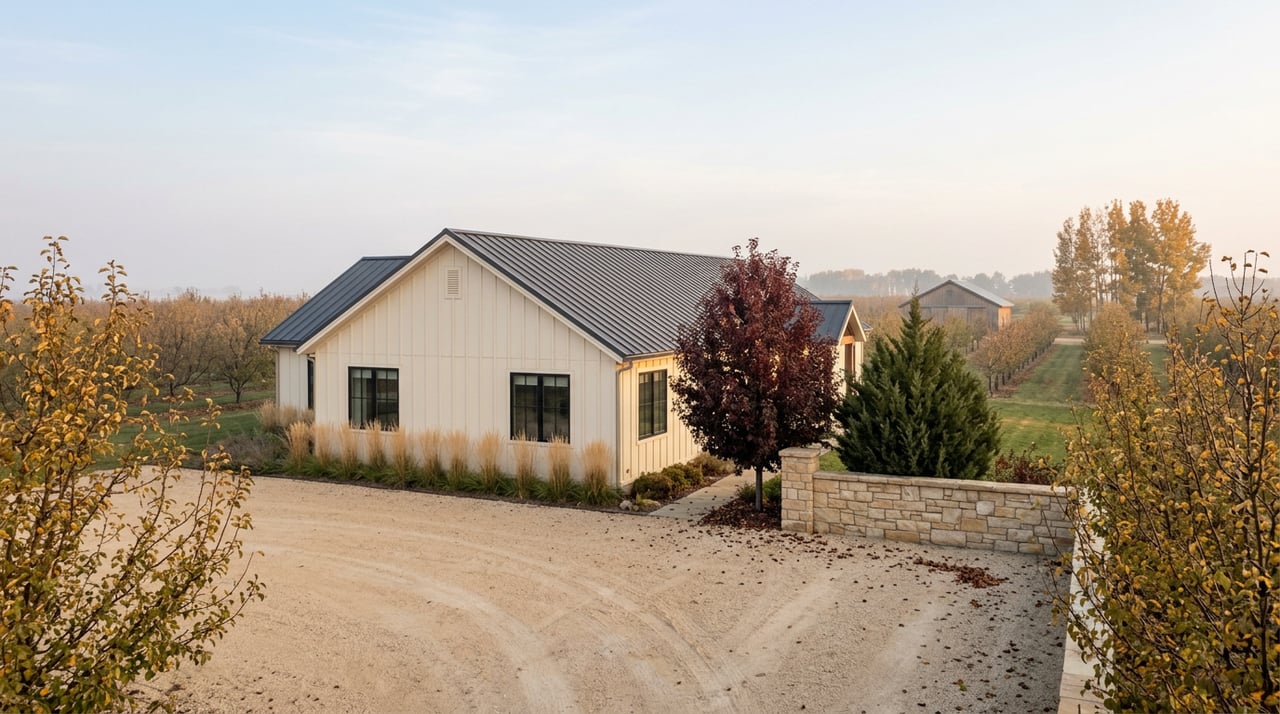
Many Redlands homes are positioned to take in dramatic vistas of the Colorado National Monument and surrounding mesas. That scenery is a core part of what draws buyers to this area, and it should lead your marketing and staging. You can see that emphasis in neighborhood overviews that highlight the landscape and sightlines across the valley. This Redlands snapshot is a good example of how local listings lean into views.
Grand Junction’s semi‑arid climate brings abundant sunshine and long days most of the year. That is great for outdoor photography and showings, and it also makes water‑wise landscaping a smart selling point. If you plan around the sun and the season, you can present your views and outdoor spaces with confidence. For context on local daylight and weather, review Grand Junction’s climate profile.
Step 1: Map your sightlines
Start with a walk‑through focused only on your views. Identify which rooms and patios deliver the strongest sightlines and which angles will become your “hero” photos. Note window orientation in each space so you can schedule photos around the best light.
How to do it in one hour
- Stand at seated eye level in living areas and the primary suite. Mark the windows where the view lands.
- Step outside to decks and patios. List the best angles and any obstructions.
- Flag problem spots like overgrown shrubs, glare, or screen damage. Make a quick fix list by priority.
Step 2: Quick wins with big impact
These small moves photograph well and set a clean, high‑quality tone.
- Clean every window and glass door that frames a view, inside and out.
- Declutter and depersonalize rooms that face the view. Remove extra furniture that blocks sightlines.
- Refresh with neutral paint where needed, especially the entry and main living spaces. Agent surveys indicate staging and light cosmetic updates can reduce time on market. See the National Association of Realtors’ staging insights for context.
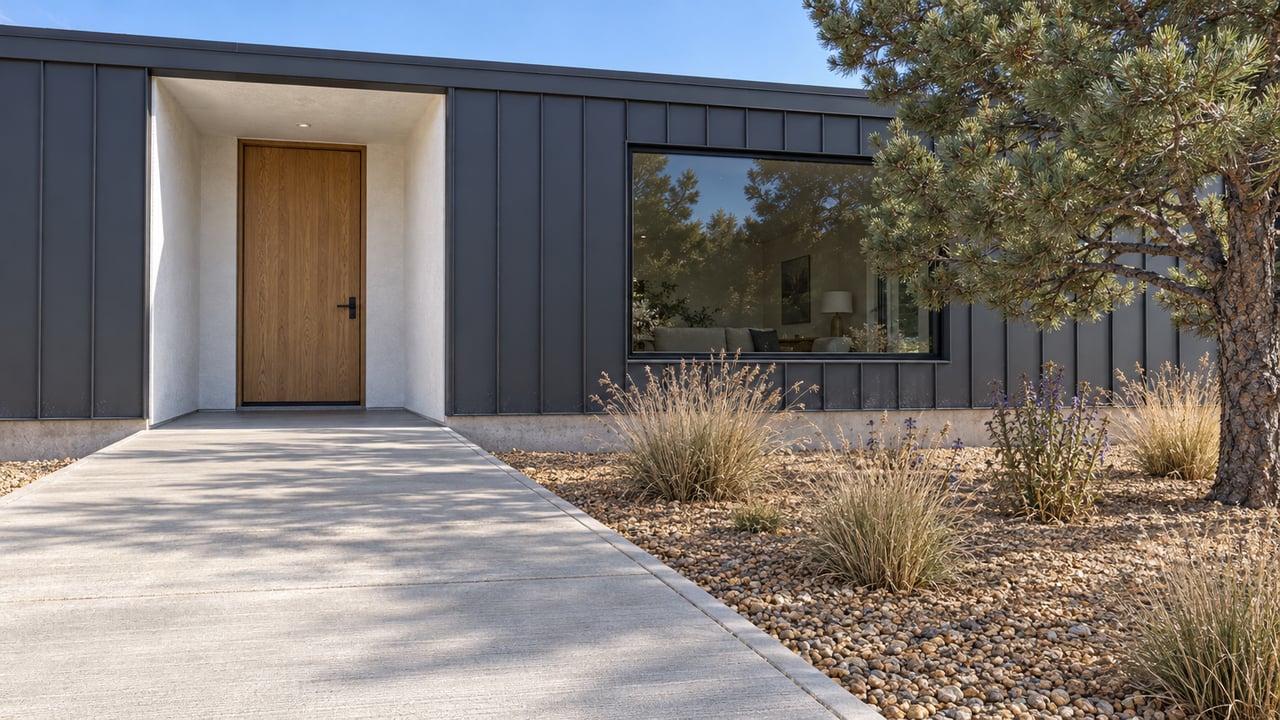
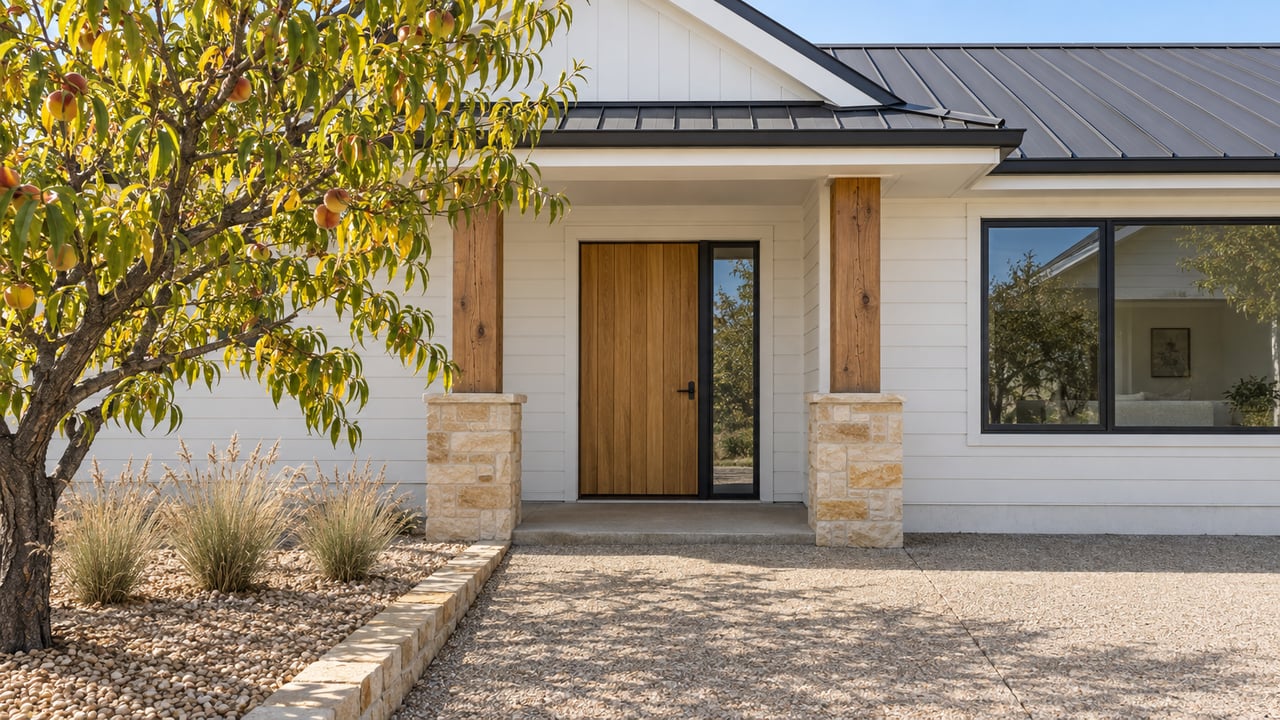
- Update small exterior details that show in photos, like address numbers, entry lighting, and mailbox.
Step 3: Stage to frame the view
Your furniture placement should guide a buyer’s eye to the windows.
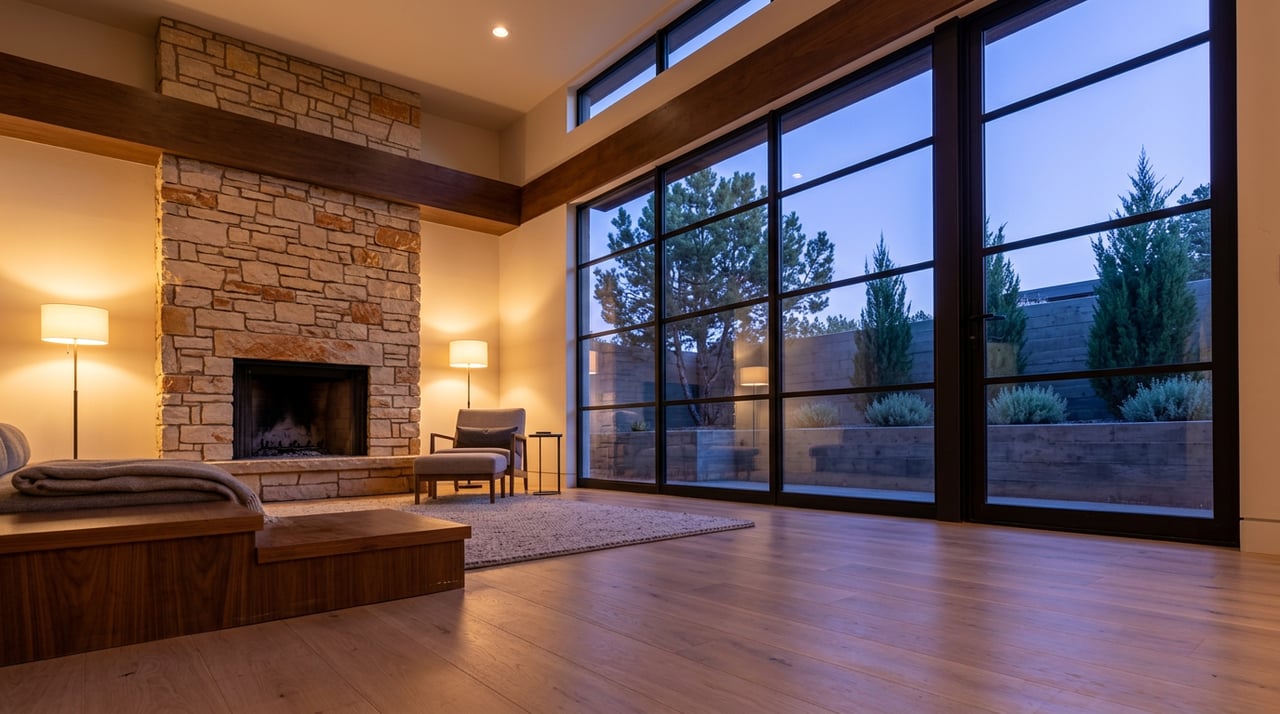
- Angle primary seating to face the view in the living room and the primary bedroom.
- Swap heavy drapes for simple, light panels or sheers so headroom at the glass feels open.
- Use mirrors opposite a view to add depth and bounce light without feeling gimmicky.
- Focus staging on the living room, kitchen, and primary bedroom. These rooms influence first impressions the most.
Step 4: Elevate outdoors for Redlands climate
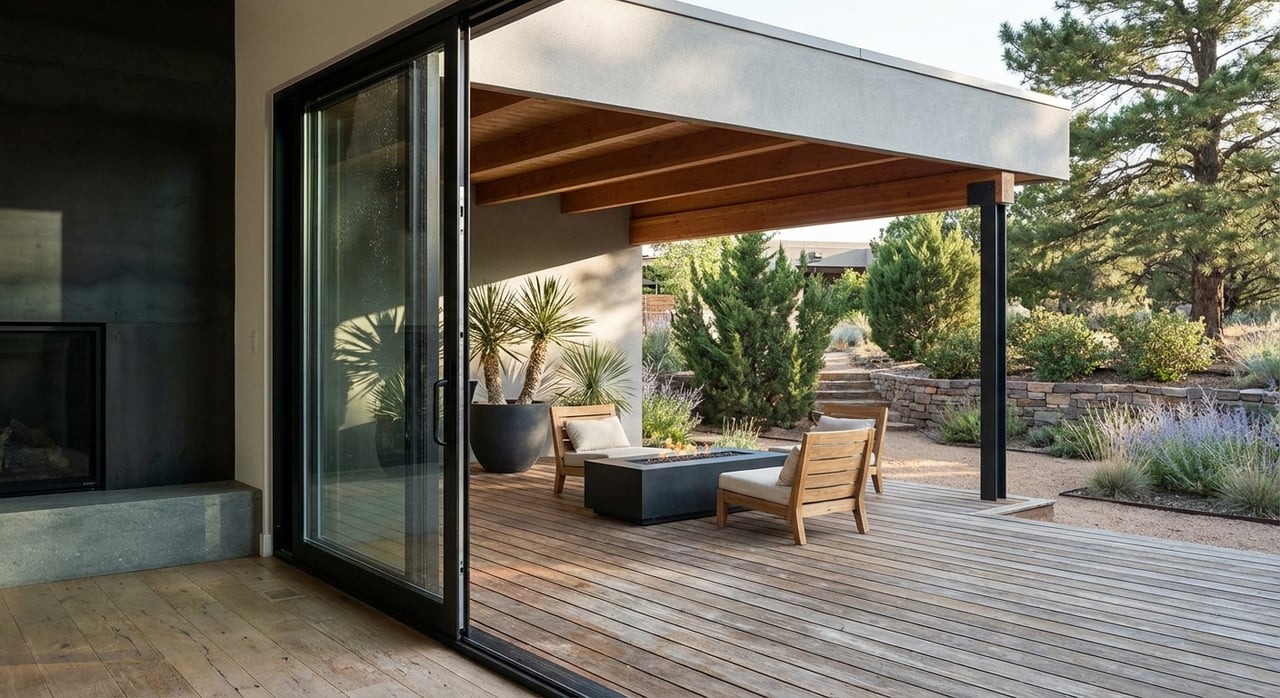
Well‑kept, low‑maintenance outdoor spaces help buyers picture everyday life with the view.
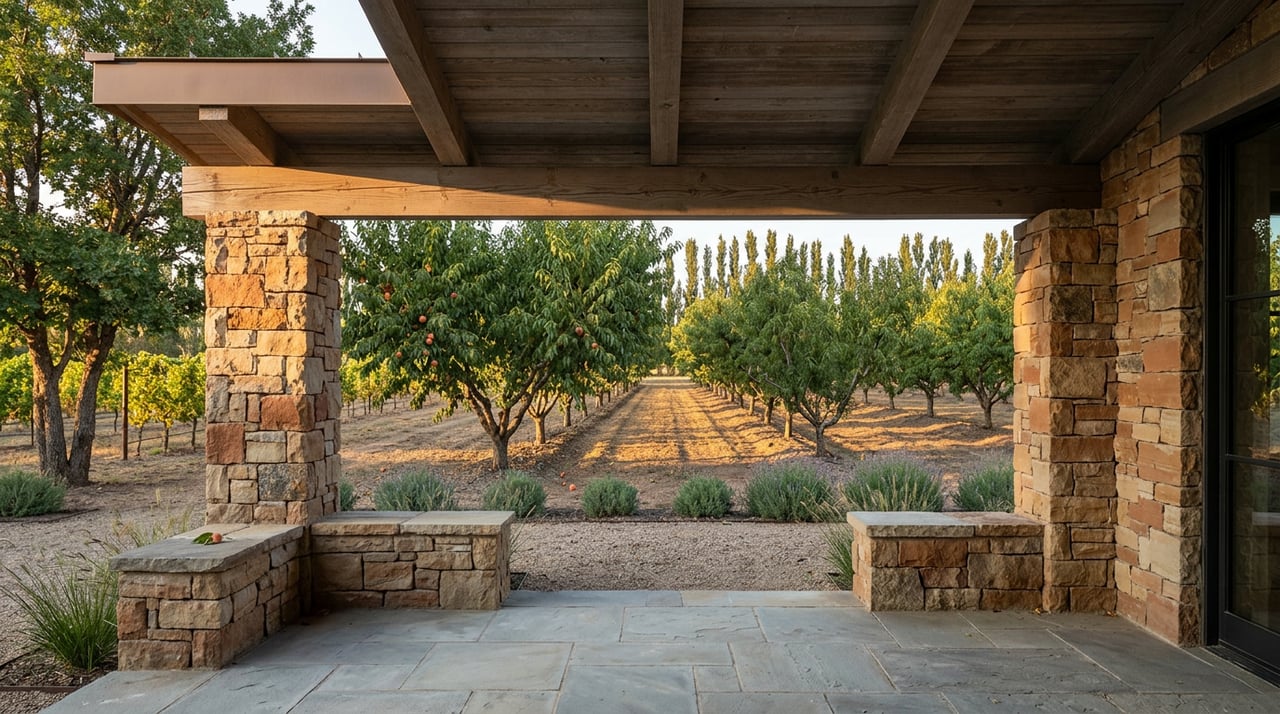
- Trim or selectively remove vegetation that blocks long‑range sightlines, while keeping attractive foreground plants.
- Convert non‑functional turf to water‑wise beds and mulch. The seven principles of xeriscape are a great guide for Western Colorado. Review the xeriscape basics and resources to plan plantings, hydrozones, and irrigation.
- Test or add drip irrigation. Water in the early morning to reduce evaporation.
- Repair and refresh decks or patios. Exterior projects like wood decks often recoup a solid portion of cost at resale, but modest repairs and staging typically offer the best short‑term return. See the national Cost vs. Value report for perspective.
- Add simple path and accent lighting to make twilight photos and evening showings pop.
- If your lot borders open space or heavier vegetation, follow defensible‑space best practices to reduce wildfire risk. The Colorado State Forest Service outlines a clear, three‑zone approach in its homeowner guidance.
Step 5: Photography and media that sell views
A view home deserves a professional media plan. The right timing and shot list help your photos match what you love about the property.
- Schedule by orientation:
- East‑facing views shine at sunrise and early morning.
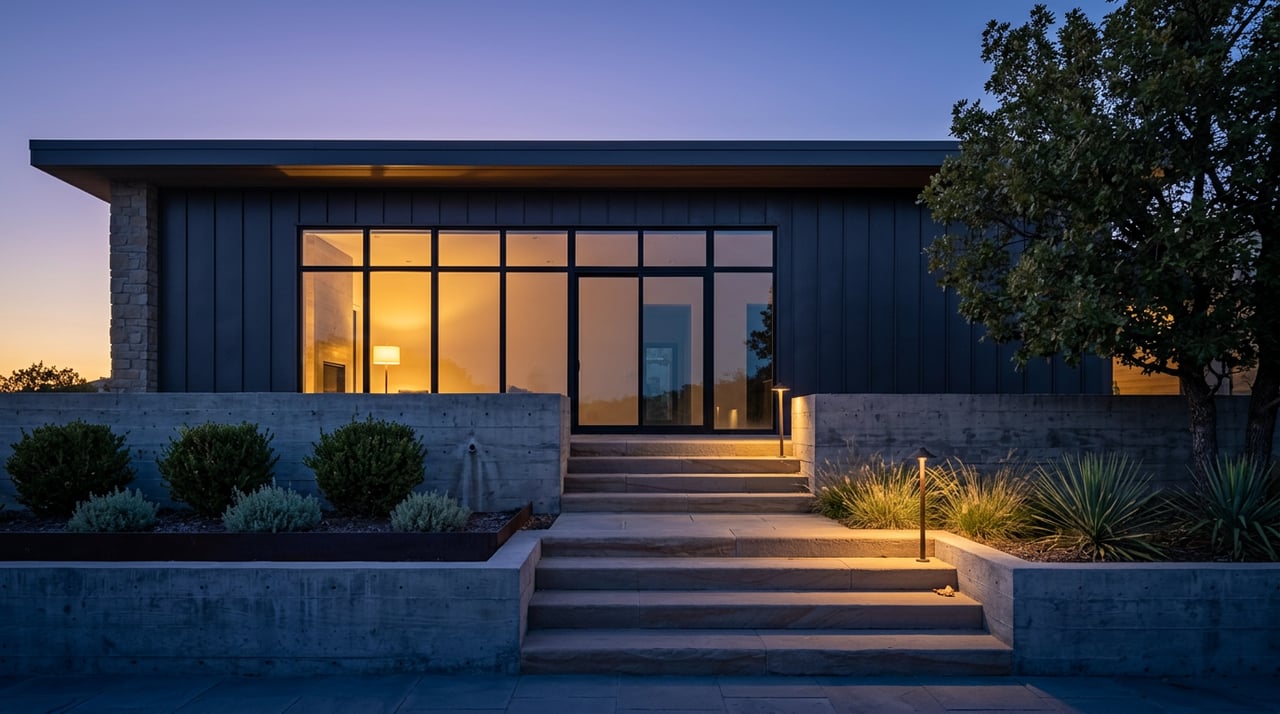
- West‑facing views glow in late afternoon and sunset. This is ideal for twilight exteriors.
- South‑facing views are workable most of the day. Watch for harsh highlights.
- North‑facing windows offer soft, even light for interiors.
- Plan a twilight session for one “hero” exterior. Turn on interior lights so the home feels warm against the sky.
- Build a shot list: one twilight exterior, one daytime exterior, interiors that show the view from living, kitchen, and primary suite, plus staged outdoor living. Consider a 3D tour or a short walk‑through video for out‑of‑area buyers.
- If you add aerials, use a licensed drone pilot. Commercial flights require a Part 107 certificate, registration, and operating within FAA rules. Confirm credentials and insurance. Start with the FAA’s commercial operator overview.
- Do not launch or operate from National Park Service land. If your view looks toward the Colorado National Monument, make sure takeoff and landing occur on private property and outside NPS boundaries. Review the NPS unmanned aircraft policy here.
Step 6: Permits, HOAs, and logistics
Before you start bigger projects, check the rules. Structural deck replacements, larger retaining walls, and grading often require permits. You can browse Grand Junction’s municipal code and permitting references to understand thresholds and process. A starting point is the city code resource.
Many Redlands subdivisions have HOA design guidelines. Confirm requirements for exterior colors, landscaping, tree removal, and hardscape additions. Ask your HOA for the current standards and any review timelines so your project does not delay your listing.
A practical two to six week plan
- Weeks 0–1: Walk the property to map sightlines, confirm orientation, and set your fix list. Get quotes for window cleaning, light paint, and deck touch‑ups.
- Weeks 1–3: Complete quick wins inside, trim or remove view‑blocking vegetation, check irrigation, and stage key rooms.
- Weeks 3–6: Refresh decks or patios, add simple landscape lighting, and finalize any xeriscape updates.
- Week of listing: Book professional photos timed to your best light. Add a twilight session and optional aerials if appropriate and legal. Launch your listing.
Avoid these common mistakes
- Letting shrubs, screens, or heavy drapes block the view in photos.
- Skipping window cleaning. Smudges show in high‑resolution images.
- Waiting to schedule photography, then missing golden hour on your best‑facing windows.
- Over‑investing in large hardscapes without checking likely return or neighborhood fit.
- Flying a drone without confirming Part 107 compliance or NPS boundaries.
Ready to list with confidence?
If you have a Redlands view, you have a story buyers want to hear. Pair smart prep with timely media and clear permitting, and you can showcase your outlook and your home with ease. If you want a tailored plan for your timeline, let’s talk through your goals, budget, and best light. Connect with Michelle Ritter to get a free home valuation and a step‑by‑step listing roadmap.
FAQs
What rooms should you stage first in a Redlands view home?
- Focus on the living room, kitchen, and primary bedroom so your top rooms frame and highlight the view.
When is the best time to photograph west‑facing Redlands views?
- Late afternoon through sunset creates warm, flattering light and sets you up for a strong twilight exterior.
Do you need a permit to replace a deck in Grand Junction or Mesa County?
- Many structural deck replacements require permits, so check the municipal code and call the permit office before starting work.
What is xeriscape and why does it matter in Redlands?
- Xeriscape uses water‑wise design, efficient irrigation, and mulch to reduce use and maintenance, which fits our sunny, semi‑arid climate.
Can you use a drone to capture Colorado National Monument views from your property?
- Yes, if a licensed Part 107 pilot flies legally from allowed land and avoids launching or operating from National Park Service areas.