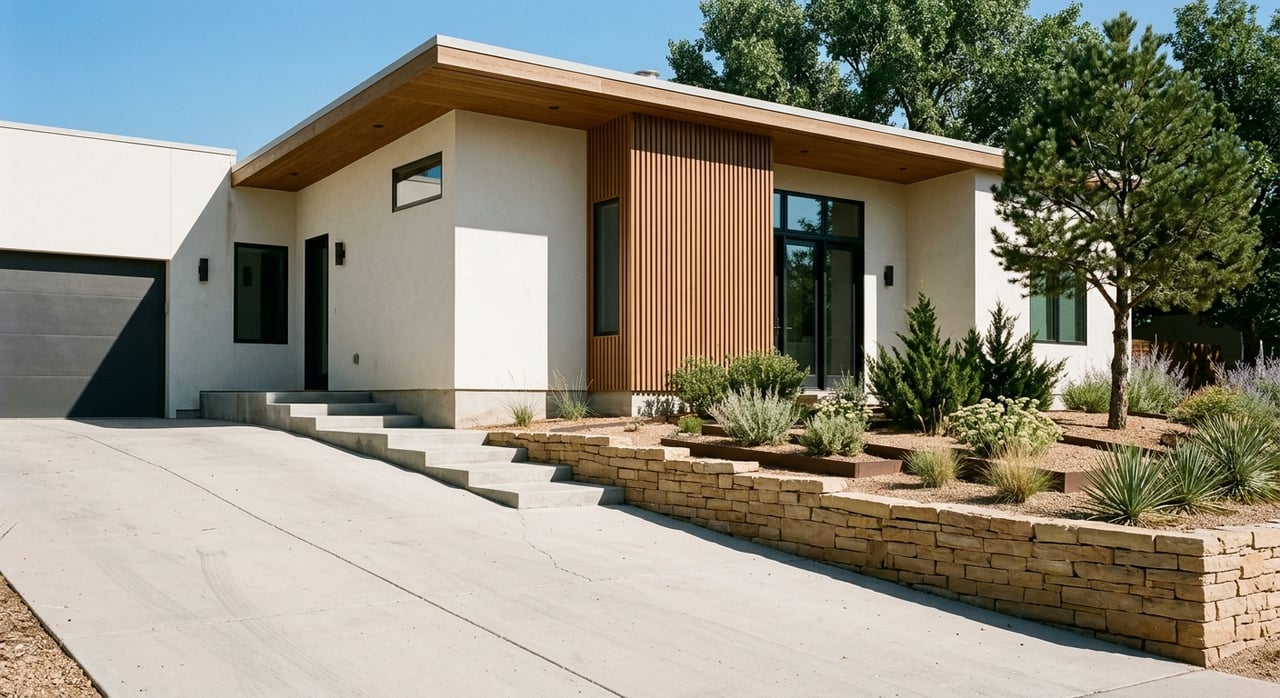
Buying a Home in Redlands for Views, Lots, and Convenience
July 9, 2026
July 9, 2026
If you are thinking about buying in Redlands, chances are you are looking for more than a house. You may want Monument views, a lot that fits your lifestyle, and a location that makes daily life easier. The good news is that Redlands can offer all three, but they do not show up the same way on every street or parcel. This guide will help you look past the listing photos and focus on what really matters before you buy. Let’s dive in.
Redlands sits in the scenic corridor between Grand Junction and Fruita, with Colorado National Monument shaping much of the area’s appeal. Monument Road and Highway 340, also called Broadway in parts of the area, are treated by Mesa County as important visual corridors. That matters because the setting is not just pretty, it also influences how land is planned and how views may be preserved.
For many buyers, that setting is the reason Redlands stands out. You can find neighborhoods and parcels with red-rock backdrops, open vistas, and quick access to outdoor recreation. At the same time, the area is still tied into everyday errands, school logistics, and major routes into the broader Grand Junction area.
A view can absolutely add value, but not every view carries the same long-term benefit. Research cited in the report shows that scenic visual access can create a price premium, yet that premium is not fixed. In real life, the value of a view depends on whether it is wide or partial, permanent or temporary, and protected or exposed to change.
In Redlands, that distinction matters more than many buyers realize. Some views are shaped by topography and corridor protections, while others may depend on vacant land nearby that could change over time. A beautiful outlook today is not always the same as a durable view years from now.
When you tour homes in Redlands, it helps to ask why the view exists in the first place. A view framed by natural elevation, setbacks, or established ridgeline limits may be more reliable than one that simply looks over an undeveloped parcel. That does not mean future change is guaranteed, but it does mean you should separate scenic appeal from scenic certainty.
Mesa County’s Redlands planning policies emphasize preserving skyline views and open vistas, especially along prominent corridors. Development on noticeable ridgelines is meant to be minimized in order to protect the visual character of the area. That gives useful context when you are comparing one property to another.
Even in a beautiful setting, views can shift in feel from season to season and day to day. The National Park Service notes that some Monument viewpoints can include visible development and utility lines. It also notes that winter inversions can reduce valley visibility, which is worth remembering if you are buying during a clear-weather stretch.
That does not take away from Redlands appeal. It simply means the smartest buyers look at the view with a practical lens. If the view is a major reason for the purchase, make sure you understand what you are paying for.
One of the strengths of Redlands is that it is not a one-size-fits-all market. The area includes a mix of residential forms, which means lot sizes and overall site feel can differ a lot from one section to another. You may find compact lots with easier upkeep, larger parcels with more breathing room, or sites where the terrain shapes how usable the land actually feels.
That last part is important. A bigger lot does not always mean a more flexible lot. In Redlands, slope, access, drainage, and grading can all affect how you use the property and what it may cost to maintain.
Hillside properties often deliver some of the most dramatic views in Redlands. They can also bring more complexity than a buyer sees during a quick showing. Mesa County’s land development rules require ridgeline setbacks within one mile of major corridors including Highway 340, Monument Road, South Camp Road, South Broadway, and I-70, US 6, and US 50.
The code also says driveways and access roads should follow natural contours to minimize grading, and grading should not steepen existing slopes beyond 10 percent. In practical terms, that can mean more engineered access, drainage planning, retaining work, and maintenance tied to erosion or driveway pitch. The house may look straightforward, but the site itself can be a major part of the decision.
Grand Junction has also treated some Redlands hillside projects as geotechnically sensitive. In one subdivision approval, the city required slope-stability, rockfall, earthwork, and lot-specific grading and drainage analysis. That is a strong reminder that terrain should be evaluated carefully, especially if you are considering a dramatic lot or a new-build opportunity.
Not every Redlands property sits up high. If you are looking at land closer to the valley floor or near river corridors, your checklist changes. Mesa County’s fluvial hazard map explains that active stream corridors can migrate over time, and even nearby buffer areas may still be vulnerable to erosion or hillslope failure.
The county also notes that properties in FEMA flood zones may require permits, elevation certificates, or floodproofing certificates. The key point is that fluvial hazard mapping is informational, while FEMA floodplain locations can trigger regulatory review. If a parcel looks ideal on paper, make sure you verify those layers before assuming it will be simple to own or improve.
Redlands often feels convenient, but not in a fully self-contained way. The area plan identifies neighborhood shopping along Highway 340, including Monument Village Shopping Center and Redlands Marketplace. That means many day-to-day needs can be handled nearby without crossing the valley for every errand.
For larger retail trips, the broader Grand Junction area still plays a big role. Visit Grand Junction identifies Mesa Mall as the largest indoor mall in Western Colorado, with more than 75 stores and 25 restaurants. So when you think about convenience in Redlands, it helps to think in layers: nearby basics, plus wider regional access when needed.
If school access is part of your move, Redlands buyers should be careful about assumptions. District 51 says families should use the Mesa County School Locator by home address because attendance boundaries determine school assignment and those boundaries have recently changed. In other words, being close to a school is not the same as being assigned to it.
Nearby examples in the area include Redlands Middle School on Broadway, Wingate Elementary on South Camp Road, and Broadway Elementary on Broadway. Those locations can help you understand general geography, but the actual assignment should always be verified by address. That one step can save a lot of confusion later.
In Redlands, commute convenience often comes down to which corridor you use most. The area plan identifies Highway 340 or Broadway, Monument Road, South Camp Road, and South Broadway as major access routes. A home that feels close on the map may drive very differently depending on how it connects to those roads.
Traffic patterns are also not frozen in time. The City of Grand Junction says the Broadway and 23 Road roundabout tied to Redlands 360 was selected because of projected traffic volumes, long-term growth, and planned future Highway 340 expansion. The same project is part of a development expected to include more than 1,300 homes at full buildout, so it is smart to think about both current access and how the area may function over time.
Redlands listing language can sound simple, but the details often matter more than the headline. Terms like views, hillside, large lot, or close to schools can all be true while still leaving out important context. A little due diligence can help you sort a strong fit from a property that only looks right at first glance.
If a listing highlights views, ask what kind of views they are. Are you looking at a broad Monument vista, a partial opening over rooftops, or a ridgeline outlook shaped by the site itself? Also ask whether the view is protected by topography or if it depends on surrounding land staying as it is now.
That distinction can affect both enjoyment and resale value. In a market like Redlands, a view should be treated as a feature worth verifying, not just admiring.
For hillside or irregular parcels, ask about driveway pitch, drainage, retaining walls, grading, snow removal, and access roads. These are not small details. In some Redlands properties, they shape everyday usability as much as square footage or finishes.
If you are buying in the city, ridgeline restrictions and past geotechnical review requirements show why site conditions deserve attention. If you are buying in the county, parcel data and service layers can provide a fuller picture of what the property really involves.
Mesa County GIS tools include parcel information, zoning, jurisdiction, school districts, utility and service providers, transportation, environmental data, subdivision details, and boundary information. Combined with the school locator, those tools can help you confirm what a listing summary may only hint at. That is especially useful in a place like Redlands, where convenience and value often depend on parcel-specific details.
A home can look ideal in photos and still raise questions once you verify the lot, hazard layers, and school assignment. Doing that homework early helps you buy with confidence.
If you are narrowing your search in Redlands, start with the features that are hardest to change later. For most buyers, those are location, view durability, lot usability, and route convenience. Interior finishes can often be updated over time, but the setting and site conditions stay central to the property’s long-term fit.
A practical way to compare homes is to keep your search centered on a few questions:
That kind of checklist can bring clarity fast. It also helps you weigh lifestyle appeal against the practical side of ownership.
Redlands offers a rare mix of scenery, land variety, and day-to-day access, which is exactly why buyers are drawn to it. If you want help sorting through the tradeoffs between views, lots, and location, working with a local guide can make the process much simpler. When you are ready to talk through your next move, Michelle Ritter is here to help.
Stay up to date on the latest real estate trends.

A thoughtful, results-focused approach designed around each client’s unique goals. Every project is handled with clarity, attention to detail, and a collaborative process that ensures effective, well-aligned outcomes from start to finish.