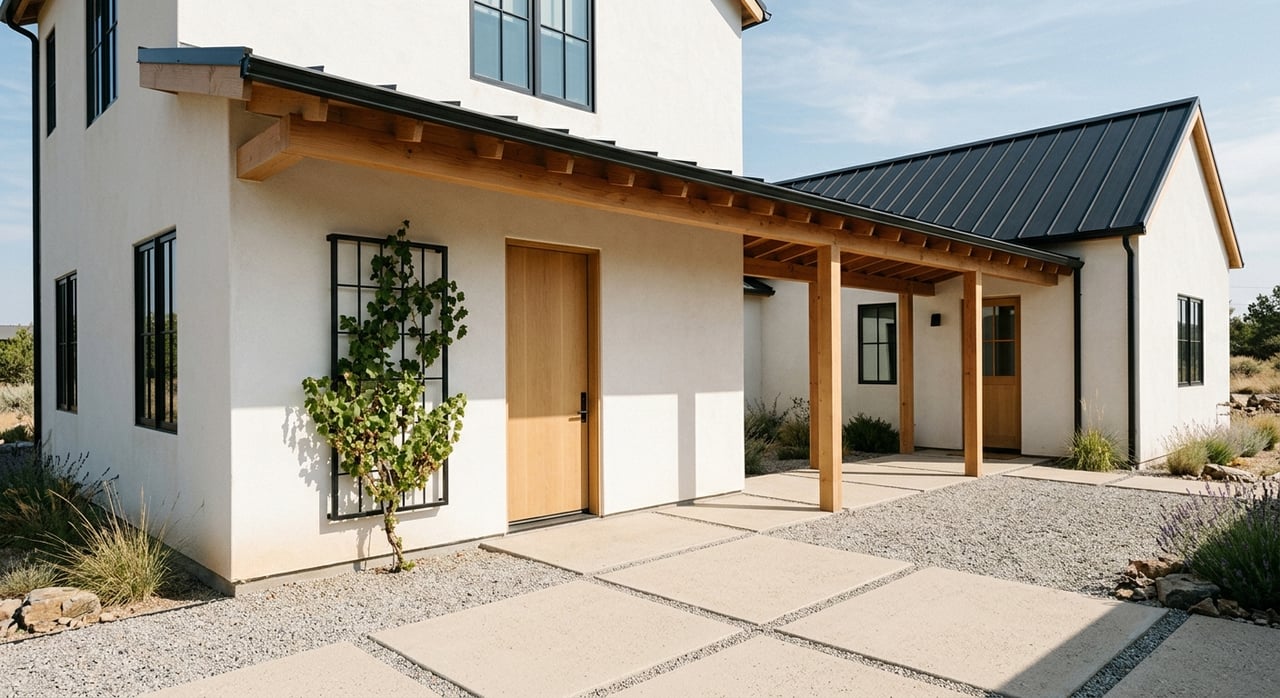
Palisade CO Second Home Guide for Wine Country Buyers
June 11, 2026
June 11, 2026
Looking for a second home that feels like a true getaway, not just another address? Palisade stands out for exactly that reason. If you love wine country views, orchard landscapes, river access, and an easy Western Colorado pace, this guide will help you think through what buying a second home in Palisade really looks like. Let’s dive in.
Palisade is often described by local and state tourism sources as the heart of Colorado wine country. It is known for peaches, vineyards, outdoor recreation, and wide-open views, with easy access off I-70 at Exit 42. The town also promotes more than 300 days of sunshine and mild winters, which adds to its appeal for part-time owners.
For many buyers, Palisade works best as a lifestyle base. It is a place you return to for long weekends, harvest season visits, and slower stretches of time that center around tasting rooms, biking, river recreation, and local events. If that sounds more like your goal than a typical suburban second home, Palisade may be a strong fit.
Palisade’s identity is tied closely to agriculture and outdoor living. Orchards, vineyards, and seasonal farm stands shape the everyday setting, and visitors are asked to respect private property and leave fruit on the tree or vine. That small detail says a lot about the area: this is an active agricultural landscape, not just a scenic backdrop.
The area also offers strong recreation access. Local sources highlight the Riverfront Trail, the Palisade Rim Trail, and the Palisade Plunge for biking, hiking, and trail running. If you picture your second home as a place where you can start the day outside and end it at a tasting room, Palisade makes that lifestyle easy to imagine.
Local tourism materials describe Palisade as home to more than 30 wineries, and Colorado tourism also points to dozens of wineries and tasting rooms in the area. That gives second-home owners a steady mix of places to explore without needing a packed itinerary. You can come for a weekend and still keep the pace relaxed.
Trail access is part of daily life here, not an occasional bonus. The Riverfront Trail and Palisade Rim Trail offer easier ways to get outside, while the Palisade Plunge is a more challenging route with a seasonal closure from December 1 through May 1. If your second-home goals include biking, hiking, and scenic drives, Palisade checks a lot of boxes.
Not every Palisade property fits the same second-home plan. The best match depends on how often you will be here, how much maintenance you want to manage, and whether you want a simple lock-and-leave setup or a more hands-on property.
If convenience is your top priority, an in-town home may be the easiest path. Properties with smaller outdoor areas and simpler access to downtown, Riverbend Park, and the Fruit & Wine Byway can be easier to manage when you are away. For many second-home buyers, that means less stress and more time enjoying the area.
This option often makes sense if you plan to arrive for short stays and want quick access to walkable or bikeable amenities. It can also reduce the amount of seasonal upkeep that falls on you between visits.
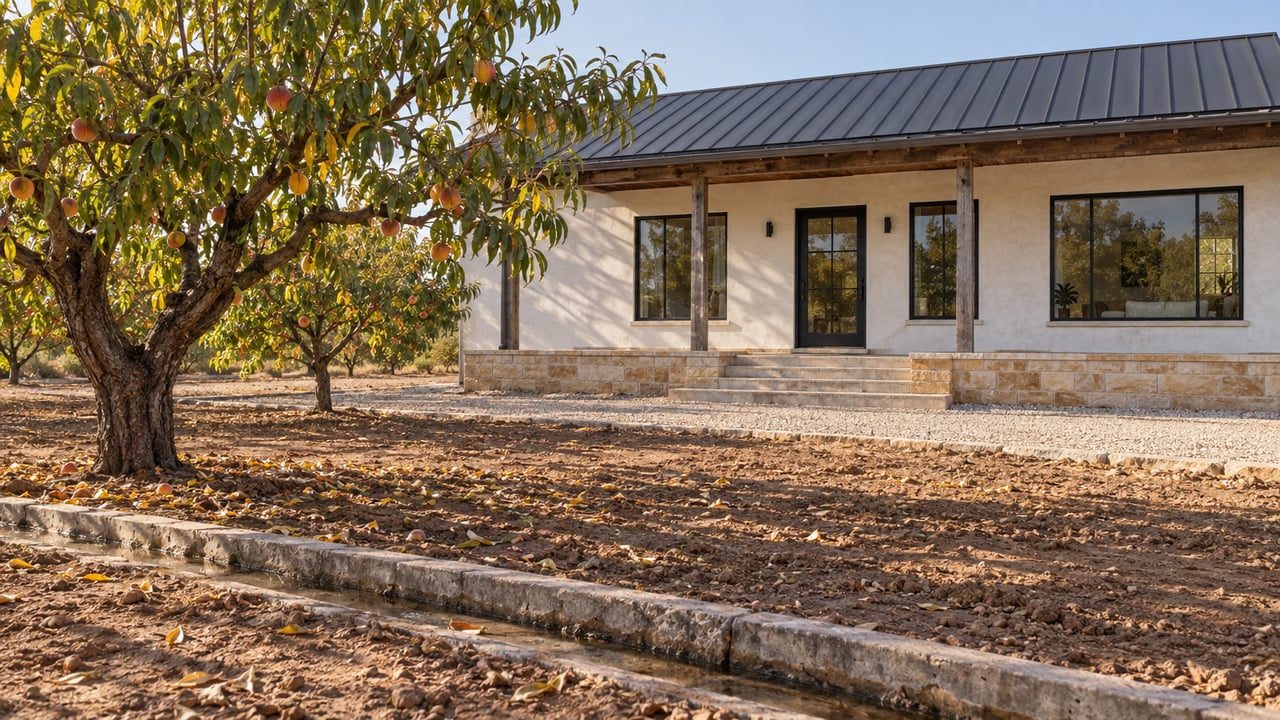
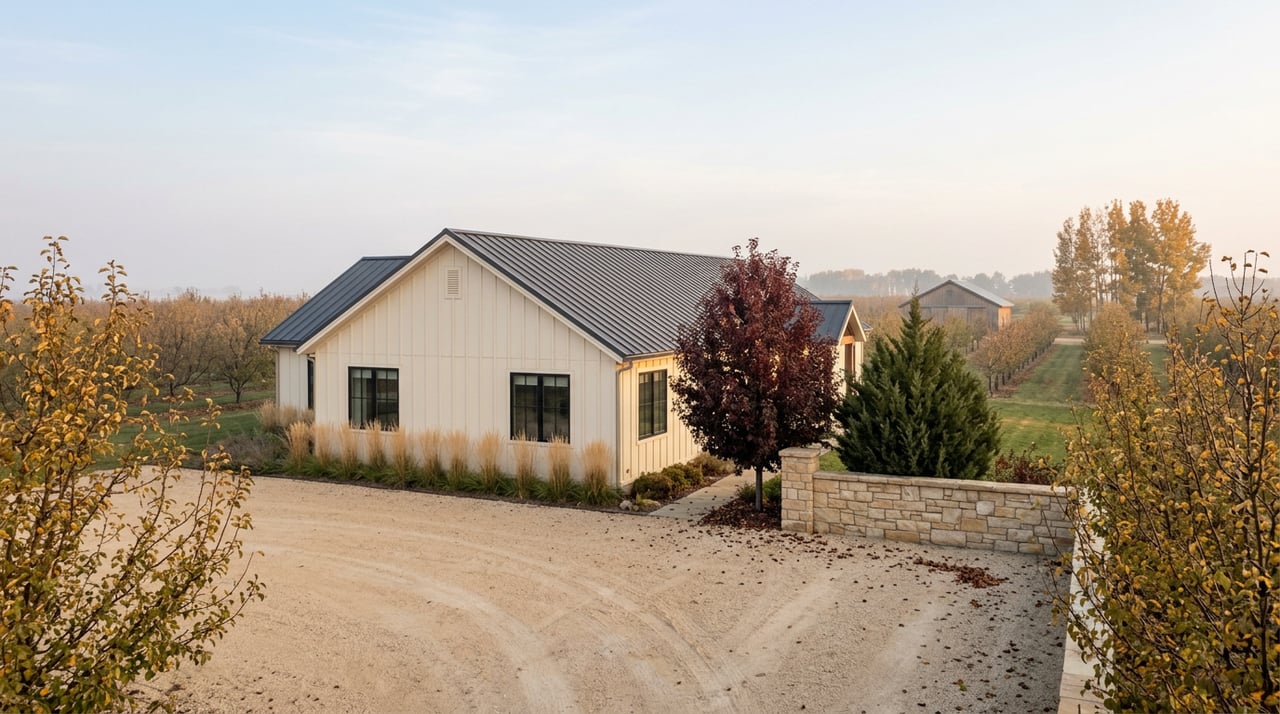
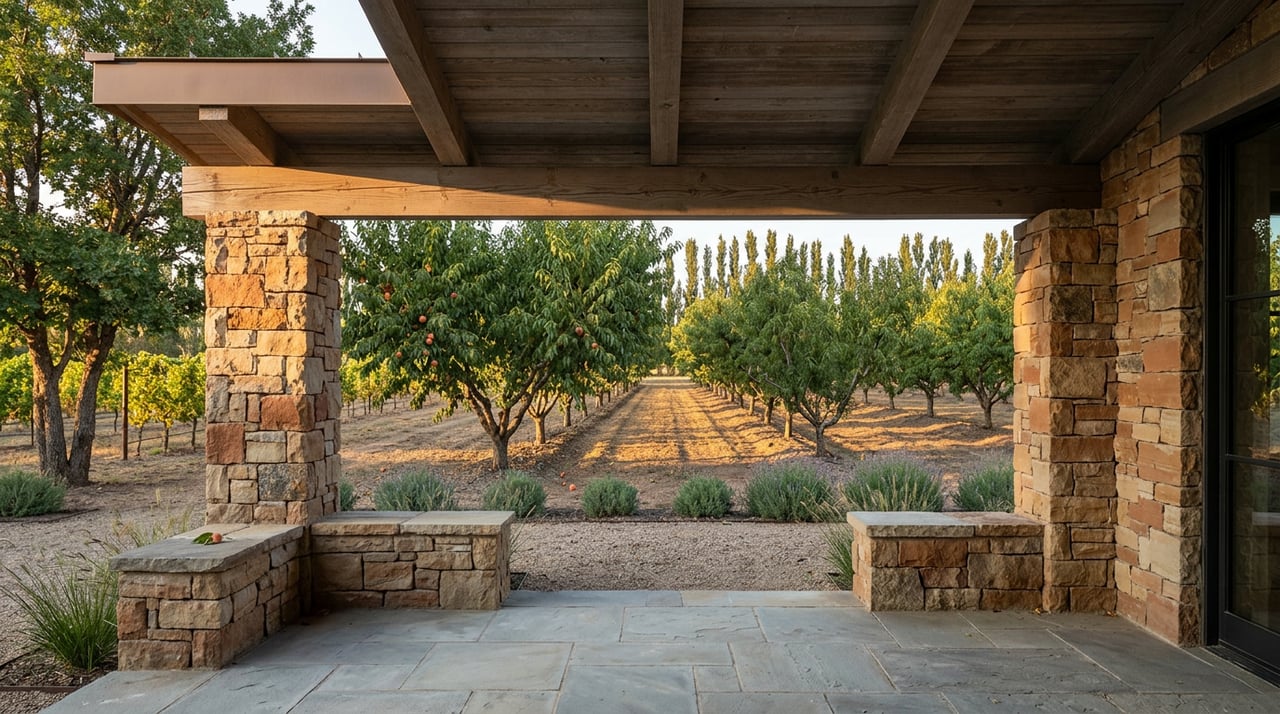
If your dream is a more immersive wine country lifestyle, you may be drawn to orchard, vineyard, or acreage properties. These homes can offer an incredible sense of place, with views, land, and a stronger connection to Palisade’s agricultural setting. They can also come with more moving parts.
Colorado State University Extension notes that Colorado water law follows prior appropriation, and deeded water rights attached to a ditch can carry maintenance and access responsibilities. For second-home buyers, that means a beautiful property may also require careful review of irrigation, water shares, landscaping, and long-term upkeep before you move forward.
Before you buy, it helps to think beyond the photo gallery and into the day-to-day realities of part-time ownership. A second home should support your lifestyle, not create avoidable stress.
Here are a few smart questions to ask as you compare properties:
These questions matter in most markets, but they matter even more in a place where irrigation systems, private-property boundaries, and seasonal recreation are part of everyday life.
Palisade has a different rhythm than a ski resort town or year-round commuter market. Its seasons are shaped more by agriculture, festivals, and outdoor recreation. That is part of the charm, but it is also something second-home buyers should factor into their planning.
Local sources describe the harvest window as running from late June through early October. The event calendar highlights a busy spring-to-fall stretch that includes the Bluegrass & Roots Festival, the Peach Festival on August 21 and 22, and Colorado Mountain Winefest on September 19.
For owners, this can be one of the best times to be in town. At the same time, it often means more visitors, more activity, and busier parking and bike traffic. Local tourism guidance asks visitors to use designated parking during festivals and to be considerate around orchards, vineyards, and private gates.
Winter in Palisade is typically calmer, but that does not mean the area shuts down. The town promotes mild winters and more than 300 days of sunshine, so many owners still find good off-season use. You may enjoy a quieter pace while still getting value from your home.
Some seasonal access does change. Colorado tourism notes that the Lands End Road portion of the Grand Mesa byway closes in winter, and the Palisade Plunge is closed from December 1 through May 1. If mountain access is part of your plan, it helps to know what is available and when.
Every home purchase needs careful review, but Palisade comes with a few local issues that deserve extra attention. These are not reasons to avoid the market. They are reasons to buy with a clear checklist and good local guidance.
For orchard-adjacent and acreage properties, water is not a minor detail. CSU Extension explains that buyers of land with a ditch or creek should understand the property’s rights, responsibilities, and possible maintenance obligations. In Palisade, that can directly affect how the property functions and what ownership requires.
If a home includes irrigated land, ask detailed questions early. You want clarity on what water rights transfer with the property, how delivery works, and what maintenance responsibilities may come with it.
Mesa County planning documents emphasize wildfire mitigation, especially in areas with medium or higher hazard exposure. The county hazard mitigation plan states that new development in these areas must use defensible spacing standards, and county wildfire planning also notes the importance of protecting water delivery infrastructure and water quality in Palisade watershed areas.
If you are looking at hillside or edge-of-town properties, wildfire readiness should be part of your review from the start. That includes understanding site conditions, vegetation, access, and any mitigation work already in place.
Because Palisade sits near the Colorado River and a network of canals, river-adjacent buyers should confirm whether a parcel has any flood considerations before closing. FEMA’s Flood Map Service Center is the official source for flood-hazard mapping, and the Town of Palisade says its GIS map can show data such as streets, buildings, zoning, address points, and town limits.
This is one of those practical steps that can save you from surprises later. It is especially important if a home’s setting near water is part of what attracted you in the first place.
If you plan to rent your second home part-time, verify local rules before you assume that use is allowed. The Town of Palisade provides access to its municipal code and land development code, and HOA rules may also apply depending on the property.
This step matters because use rules can vary by parcel and community. A quick review early in the process can help you focus on homes that truly match your goals.
The strongest Palisade purchase usually starts with an honest look at how you want to use the home. If you want easy arrivals, short stays, and less upkeep, a lower-maintenance in-town property may fit best. If you want land, privacy, and a deeper connection to the area’s agricultural setting, an acreage or orchard-style property may be worth the added complexity.
Either way, Palisade is best understood as a lifestyle market. It is shaped by wine, fruit agriculture, biking, river recreation, and seasonal energy. When you buy with those local realities in mind, you are in a much better position to choose a home that feels good to own year after year.
If you are thinking about a second home in Palisade, it helps to have a local expert who can walk you through the details with clarity and care. Michelle Ritter can help you compare property types, understand the local context, and take your next step with confidence. Let’s Connect.
Stay up to date on the latest real estate trends.
A thoughtful, results-focused approach designed around each client’s unique goals. Every project is handled with clarity, attention to detail, and a collaborative process that ensures effective, well-aligned outcomes from start to finish.