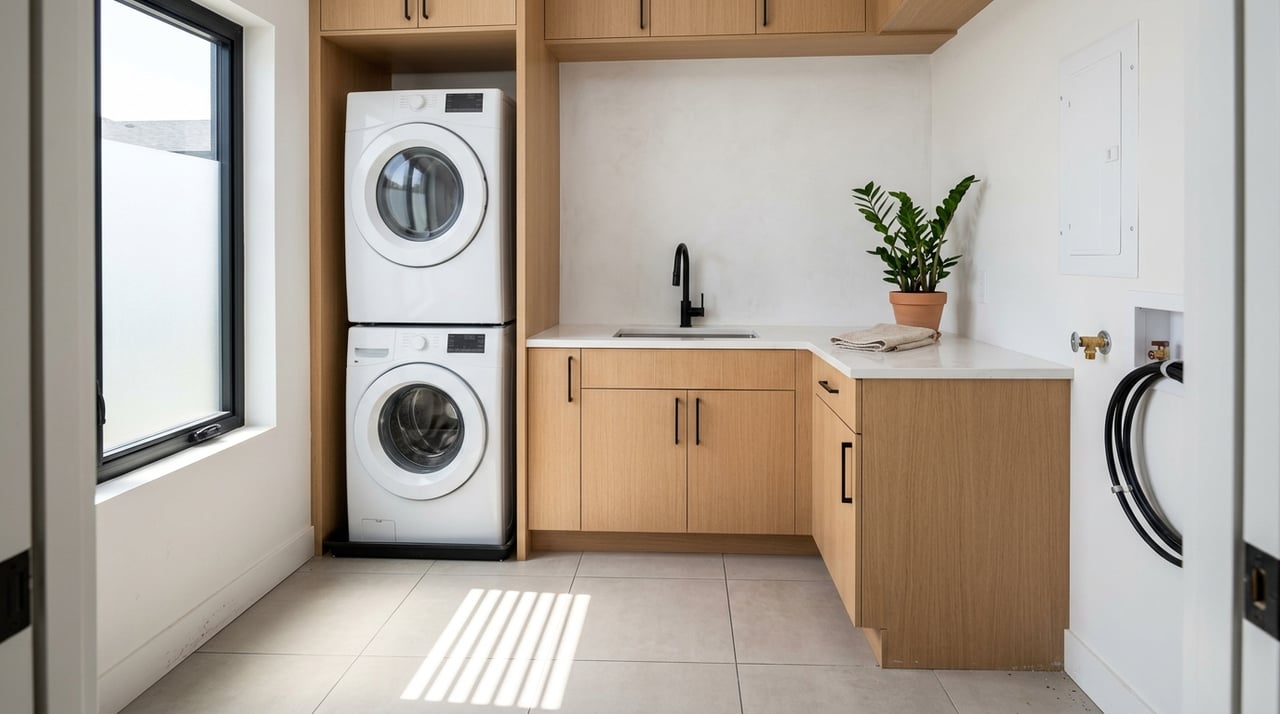
Is a Redlands CO Investment Property or Second Home Right?
June 4, 2026
June 4, 2026
Wondering whether Redlands is better as a rental property or a second home? You are not alone. Many buyers are drawn to this part of the Grand Valley for its views, outdoor access, and established residential feel, but the right choice depends on how you plan to use the property and how much hands-on management you want. This guide will help you think through the real trade-offs in Redlands so you can make a more confident decision. Let’s dive in.
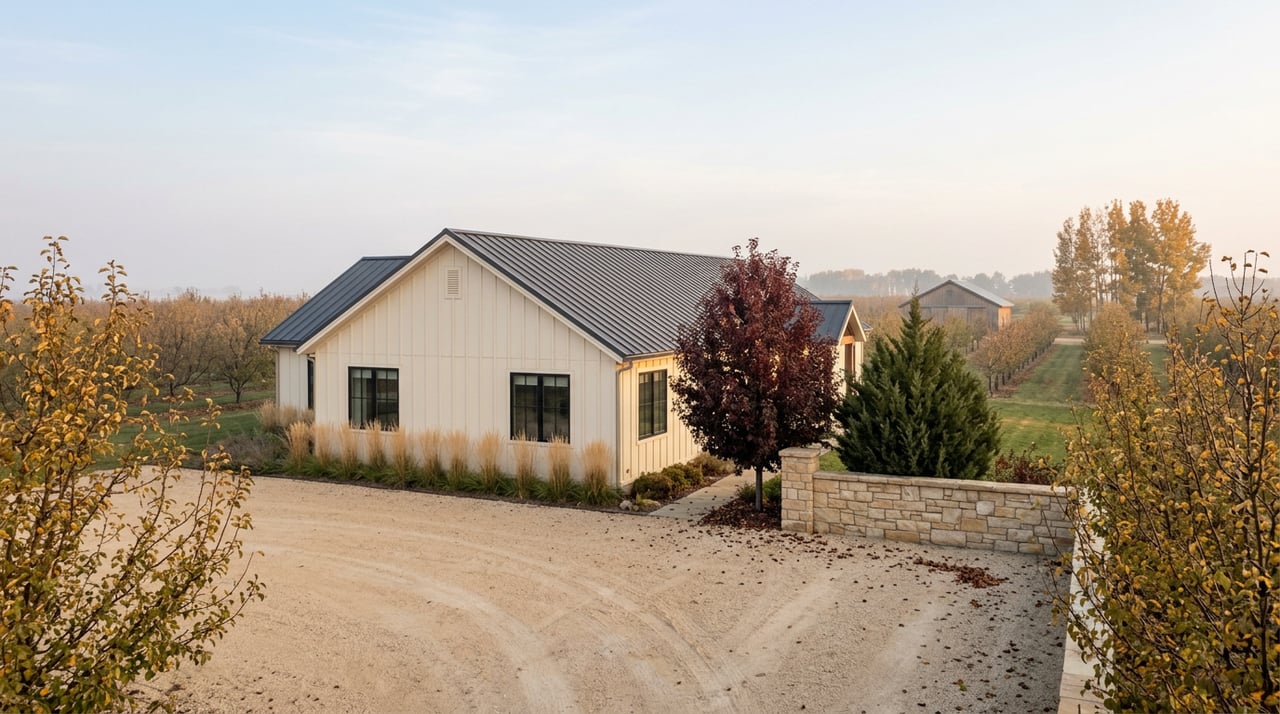
Redlands sits on the west side of Grand Junction and offers a setting that feels tied to the landscape. Planning documents describe it as a gateway to Colorado National Monument, with important view corridors, open vistas, and a more open, somewhat rural character than many standard suburban areas.
That lifestyle appeal is a big reason buyers look here for both second homes and rentals. The area includes access to trails, the Tabeguache trailhead, and two golf courses, all of which support the kind of day-to-day living and recreation many buyers want in Western Colorado.
Colorado National Monument adds even more appeal. The National Park Service notes that Rim Rock Drive runs 23 miles through the monument, with 19 signed viewpoints and 14 hiking trails, and the road is open year-round except for temporary weather-related closures.
One of the most important things to know about Redlands is that it is not primarily an investor-heavy area. According to recent Census data, 91.4% of housing units are owner-occupied.
That matters because it gives you a sense of the neighborhood pattern. Redlands tends to function more like an established residential area than a high-turnover rental corridor, which can make it especially appealing if you want a second home for personal use.
The same Census data shows a median owner-occupied home value of $487,500 and a median gross rent of $1,488. Those numbers do not tell the whole story for any individual property, but they do help frame Redlands as a place where ownership is the dominant pattern.
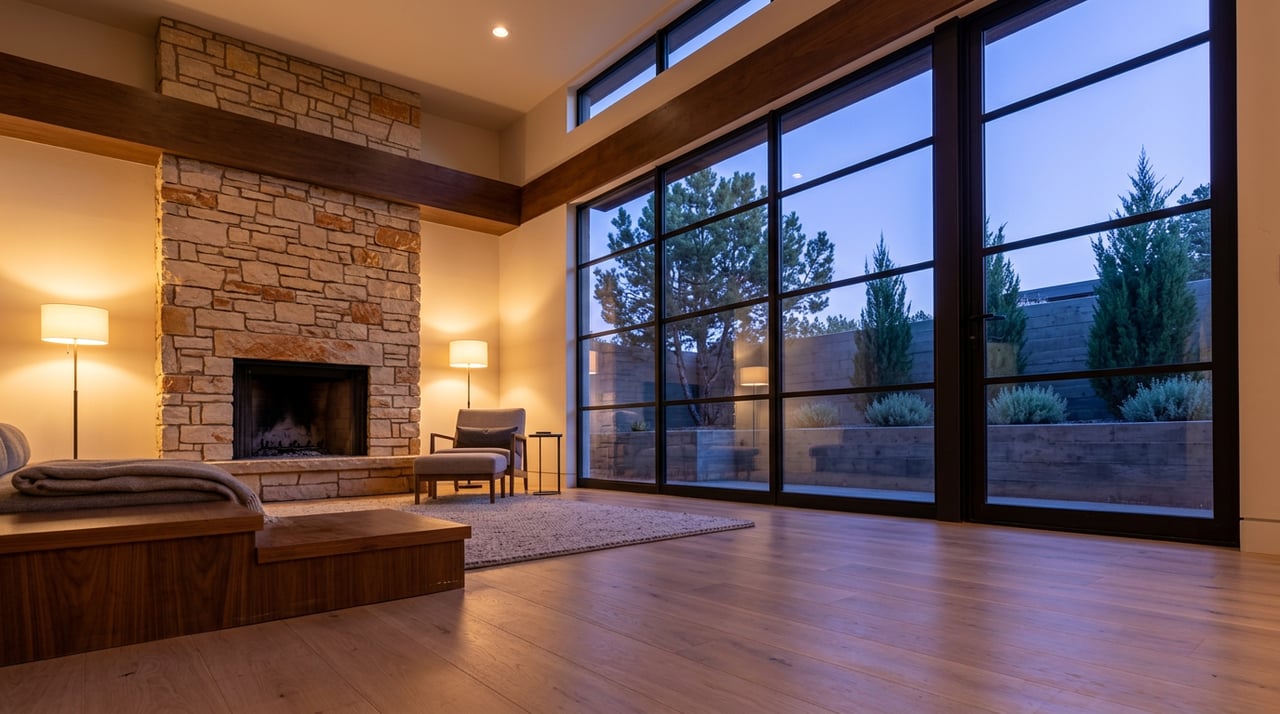
A second home in Redlands can be a strong fit if you want a property that supports your lifestyle first. If your goal is to spend time in Western Colorado, enjoy the scenery, and stay close to hiking, golf, and outdoor access, Redlands checks many of those boxes.
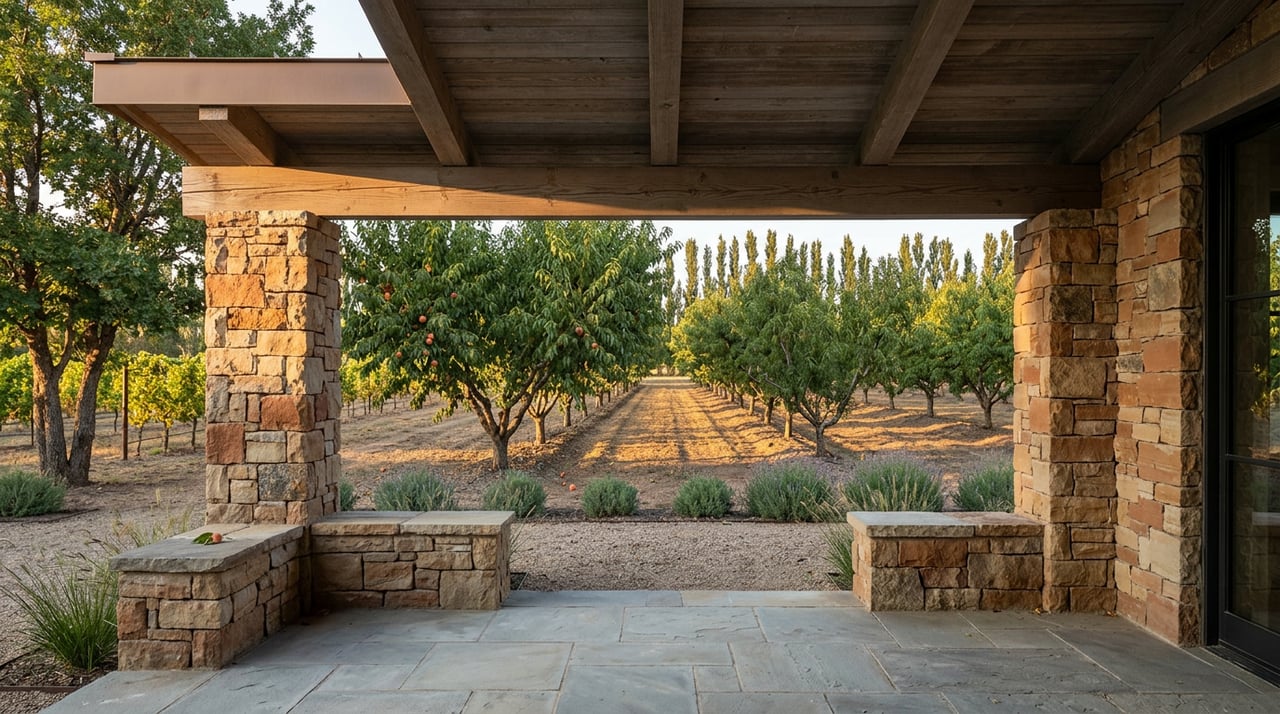
This can be especially appealing if you value views and a quieter setting over maximum rental efficiency. Planning documents describe a mix of open land, ridgelines, and established residential areas that create a sense of place many second-home buyers are looking for.
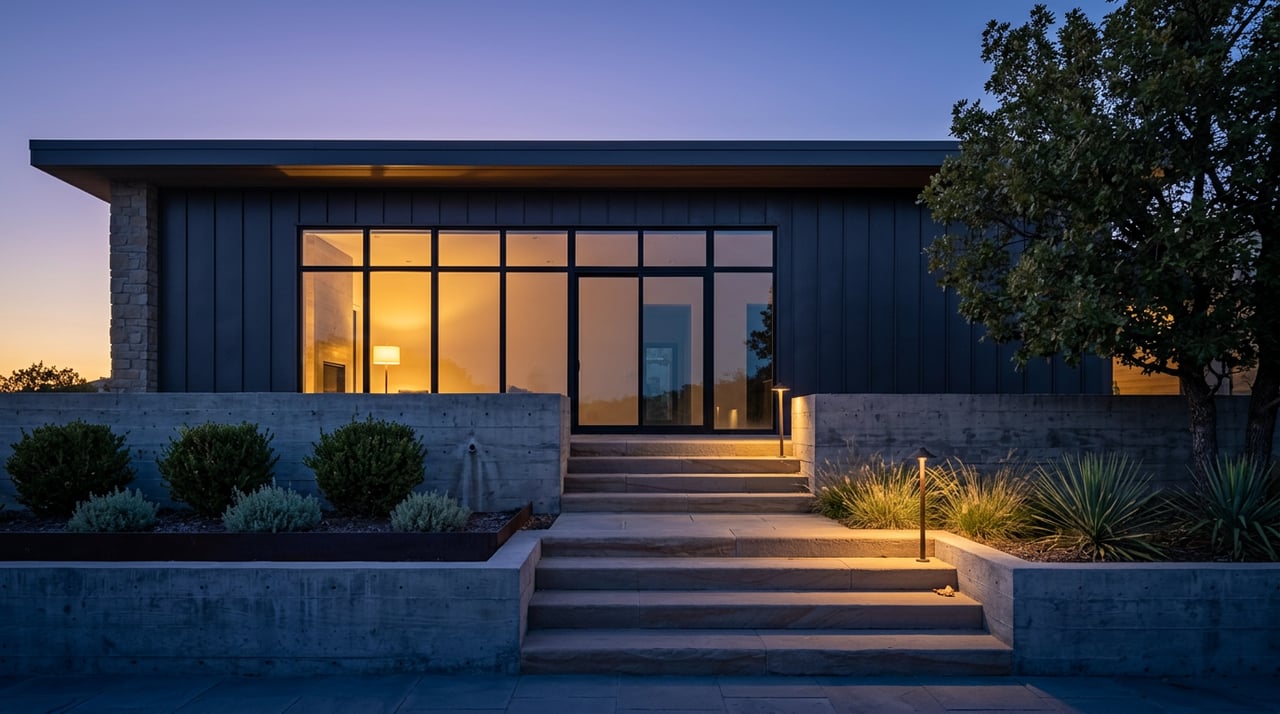
Redlands also offers variety in the types of homes you may find. The area includes detached homes, condos, duplexes and triplexes, townhomes, and some multi-family housing, which gives you options depending on how much space and upkeep you want.
In Redlands, property ownership can involve more than the house itself. Some parcels include larger lots, irrigation needs, open land, or private service arrangements, while others may sit near bluffs, drainage corridors, or areas with floodplain sensitivity.
That does not make these properties a bad fit. It simply means you should look closely at what ownership will require when you are not there full-time.
If you want a lock-and-leave property, a lower-maintenance home may be a better match than a parcel with extensive landscaping or land to manage. If you love the idea of space and views, the trade-off may be extra oversight.
A Redlands rental can work, but it usually requires more careful planning than buying in a market built around investor turnover. Here, the exact parcel matters more than the neighborhood name alone.
Tourism and recreation help support interest in short-term stays. Grand Junction uses lodging tax to fund tourism marketing through Visit Grand Junction, and Redlands benefits from its connection to the monument, trails, and the broader outdoor lifestyle that brings visitors to the area.
Still, rental success is not just about demand. It is also about whether the property is in the right jurisdiction, whether local rules allow the use you want, and whether you are set up to manage the home properly.
If you are considering a rental, start by deciding what kind of rental you mean. A second home that you occasionally use and sometimes rent short-term is a very different ownership model from a property intended for more consistent rental income.
In Redlands, short-term rental rules are especially important because the area includes both Grand Junction city parcels and unincorporated Mesa County parcels. The address determines which set of rules applies.
This is one of the biggest due-diligence points for buyers. Redlands includes land in unincorporated Mesa County as well as parcels inside Grand Junction city limits, and those governments regulate properties differently.
That means two homes with a Redlands mailing identity may not have the same zoning, permit process, or enforcement standards. Before you assume a property can work as a rental or second home with rental flexibility, you need to confirm the parcel’s actual jurisdiction.
For buyers, this is a practical step, not a minor technicality. It can shape everything from short-term rental approval to taxes, inspections, parking rules, and who must be available locally to respond to issues.
Inside Grand Junction city limits, short-term rentals require a city permit and annual renewal. The city allows short-term rentals in many residential, commercial, and mixed-use districts, but not in industrial or public-use districts.
City guidance also requires a designated local responsible party with a 24/7 phone number and an address within 20 miles of the unit. Owners must also meet annual registration and inspection requirements, follow occupancy and guest parking standards, and remit applicable sales and lodging taxes.
There are also caps on primary short-term rentals in residentially zoned lots. The city limits them to 7% in the downtown area and 3% outside downtown.
In unincorporated Mesa County, vacation rentals are subject to site plan review. The county limits them to permitted single-family dwellings, townhomes, accessory dwelling units, and owner-occupied duplexes.
The county states that stays must be under 30 consecutive days. It also requires one parking space per bedroom plus one additional space, along with a local property manager or representative who is available at all times.
Mesa County also notes that approval can be revoked after repeated verified nuisance, health, or safety complaints. If you are buying from out of town, this local-availability requirement is especially important to factor into your decision.
Even if a property appears to work from a zoning standpoint, you are not done. HOA covenants may prohibit short-term rentals or place other use restrictions on the property.
Grand Junction guidance specifically notes that covenant-controlled communities may restrict short-term rental use even when zoning allows it. If rental flexibility matters to you, review the HOA documents early, not after you are already emotionally committed to the home.
Carrying costs in Redlands are not always easy to estimate from the neighborhood name alone. Mesa County explains that property tax is based on property value, assessment rate, and mill levy, and mill levies vary by location and can change each year.
That means one Redlands property may have meaningfully different tax costs than another based on the exact address and taxing districts involved. If you are comparing a second home to a rental, those ongoing costs should be part of the math from the start.
You should also consider maintenance costs tied to the site itself. Depending on the parcel, that could include irrigation, drainage, landscaping, access issues, or oversight related to slope or floodplain conditions.
If your top priority is personal enjoyment, time in Western Colorado, and a home base near trails, golf, and monument access, a second home in Redlands often makes the most sense. The area’s strong owner-occupied character supports that kind of ownership well.
If your top priority is rental use, Redlands may still work, but you need to be more selective. The best opportunities usually come from matching the right property to the right use while confirming jurisdiction, local rules, parking, management logistics, and HOA restrictions before you buy.
In other words, this is not a one-size-fits-all market. In Redlands, the smart decision usually comes down to the parcel, the rules, and how involved you want to be as an owner.
If you want help evaluating a specific Redlands property for personal use, rental potential, or both, Michelle Ritter can help you sort through the details and talk through your next move with local insight and a steady plan.
Stay up to date on the latest real estate trends.
A thoughtful, results-focused approach designed around each client’s unique goals. Every project is handled with clarity, attention to detail, and a collaborative process that ensures effective, well-aligned outcomes from start to finish.