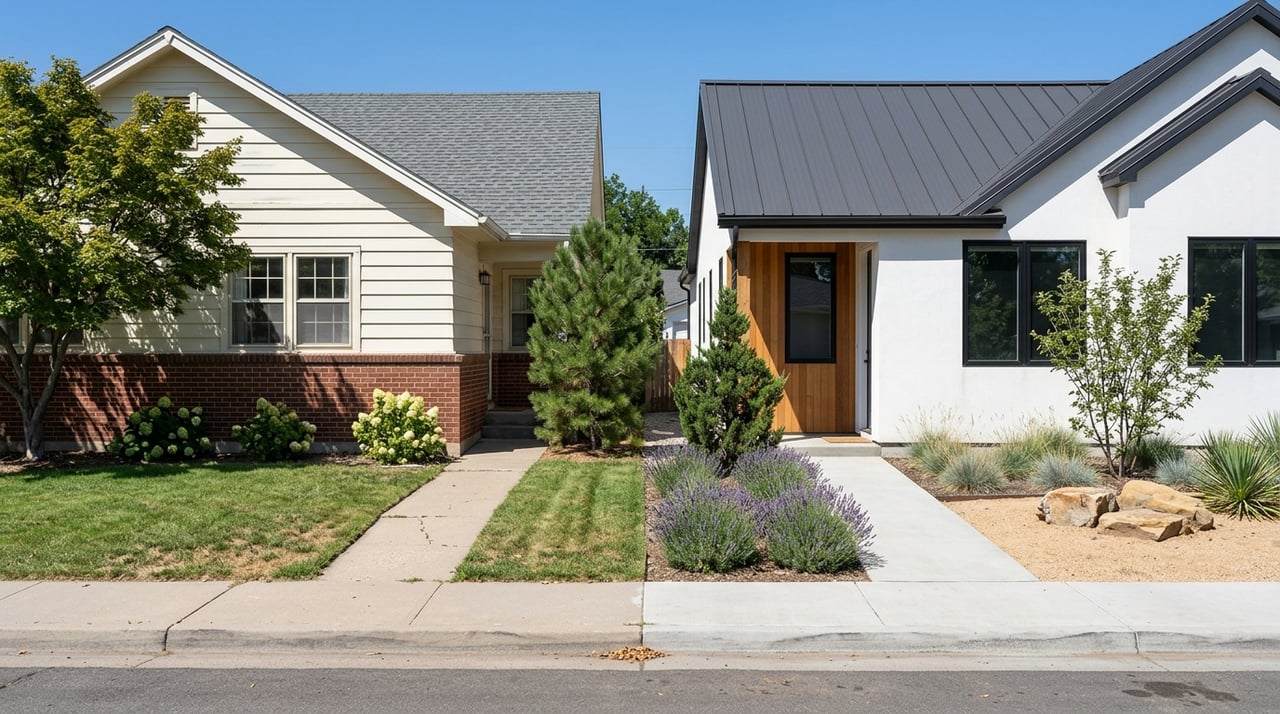
Choosing Between Newer And Established Redlands Neighborhoods
April 16, 2026
April 16, 2026
If you are torn between a newer pocket of Redlands and one of its more established streets, you are asking the right question. In this part of Grand Junction, the choice is rarely just about age. It is often about how you want to live day to day, from views and yard usability to trail access, landscaping, and the feel of the street. Let’s walk through what to compare so you can choose the Redlands area that fits your next chapter.
One of the first things to know is that Redlands is not a single subdivision. It is the west-side planning area of Grand Junction, and current guidance now comes from the One Grand Junction Comprehensive Plan, which replaced the older Redlands Area Plan in 2024.
That matters because the area includes a mix of older residential streets, planned developments, open space, ridgeline corridors, and recreation access. If you are comparing homes here, the city’s planning framework can help you understand why one block feels settled and shaded while another feels newer and still in progress.
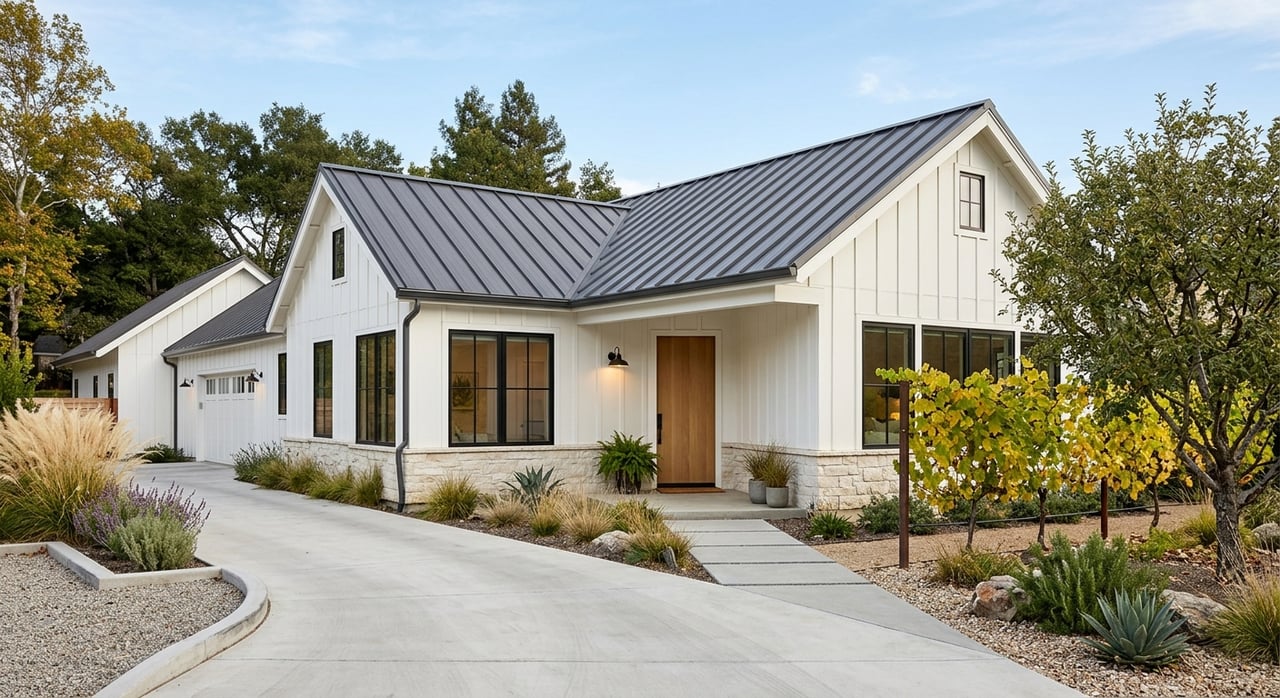
In newer parts of Redlands, you will often find a more planned feel. Areas tied to recent planned development, including parts of The Ridges, continue to evolve, and the city approved The Enclave at Redlands Mesa in 2023 with a five-year development horizon.
For you as a buyer, that can mean streetscapes and infrastructure that feel more deliberate from the start. Public utility information also shows pressurized irrigation is available in the The Ridges development area and at the Redlands Mesa golf course, which points to infrastructure that may support landscaped common areas and residential outdoor spaces.
Newer pockets may also have landscaping that is still growing in. The city began community tree planting in the Redlands Ridges medians in 2016, which suggests some areas are still building long-term canopy and shade rather than starting with a fully mature landscape.
If you are drawn to newer homes and newer systems, these pockets may appeal to you for a few practical reasons:
That said, newer does not always mean simpler. Some nearby land may still be in transition, so it helps to verify surrounding zoning, future land use, and trail connections before you make a decision.
Established parts of Redlands bring a different kind of appeal. The older core includes historic resources such as the 1916 Redlands school and the 1920 Redlands Community Center, and planning documents note that historic buildings and sites are scattered throughout the area.
You may also notice more variety from one street to the next. Older Redlands streets are not defined by one fixed architectural style. Instead, planning language focuses on compatibility, rooflines, materials, and historic periods, which often creates a more layered and varied streetscape.
Historic planning data also showed detached single-family homes were the predominant housing type in the Redlands, with multifamily housing under 10% of the stock at that time. While that data is older, it helps explain why many established parts of Redlands still feel rooted in single-family residential patterns.
If you like a neighborhood that feels more settled, you may be drawn to older streets for reasons like these:
Older homes can also come with more renovation history, maintenance questions, or redevelopment pressure. During showings, it is smart to ask what has been updated and what is original.
In Redlands, the decision is often less about old versus new and more about settled character versus newer infrastructure. Established streets may offer mature landscaping, shade, and a lived-in feel. Newer pockets may offer a more coordinated layout, newer systems, and a sense of intentional build-out.
Neither option is automatically better. The right fit depends on what matters most to you when you pull into the driveway, step into the backyard, and think about the next several years of ownership.
Lot character is a big part of the Redlands story. Historical planning figures showed a wide range of parcel sizes in the area, from larger rural-residential parcels to more compact residential lots. Those figures are older and should be used only as context, but they reinforce that lot conditions can vary quite a bit across Redlands.
This is especially important because the comprehensive plan identifies Monument Road, South Camp Road, and South Broadway as ridgeline and gateway corridors. In those areas, views, slope, visibility, and erosion remain part of the long-range planning conversation.
For you, that means a lot may look generous on paper but function differently in person. A sloped site, a view corridor, or limited flat yard area can affect how usable the outdoor space feels and how future changes might be reviewed.
When you tour homes, pay close attention to:
In a semi-arid market like Grand Junction, landscaping is more than curb appeal. It can shape maintenance costs, water use, and how comfortable a property feels through the seasons.
The city supports water-wise landscaping, which is worth keeping in mind as you compare newer and older homes. Some newer areas may have fresh landscaping that still needs time to fill in, while some established areas already have the mature look buyers love.
A good local example of that mature feel is Kindred Reserve Open Space Park on South Broadway, which the city describes as having dense vegetation and mature trees along with trails and Monument views. That contrast helps explain why one part of Redlands may feel open and newly shaped while another feels shaded and rooted.
Many buyers choose Redlands for what is nearby as much as for the home itself. Outdoor access is a major part of the area’s appeal, including the east entrance to Colorado National Monument, scenic Rim Rock Drive and nearby cycling and trail access, plus trail systems like Lunch Loops, Kokopelli, and the Riverfront Trail.
That access has grown even stronger with the completion of the Monument Trail, a 3-mile paved connection described as the backbone of the 10-mile Redlands Loop linking major recreation areas and nearby neighborhoods.
You also have Connected Lakes nearby for trails, fishing piers, boating, picnicking, hiking, and bird watching, along with Tiara Rado at the base of the Monument. If your lifestyle includes regular trail use, golf, cycling, or quick access to open space, that may matter just as much as the home’s finish level.
When you compare a newer pocket to an established street, asking the right questions can save you time and help you see past first impressions.
You can also compare homes more carefully by using Mesa County assessor research tools to filter by year built, land size, architectural style, and neighborhood or subdivision. Before a showing, the city development map can also help verify zoning, land use, and nearby trails.
If you want a home in Redlands, start by deciding what you want your daily experience to feel like. If mature trees, architectural variety, and an older-block feel matter most, established streets may be the better fit. If newer systems, more deliberate streetscapes, and ongoing build-out appeal to you, a newer pocket may feel more aligned.
The good news is that Redlands offers both. You do not have to force the decision into a simple old-versus-new label. You just need to match the home, the lot, and the setting to the way you want to live.
If you want help comparing specific Redlands homes, talking through lot differences, or narrowing in on the right pocket for your goals, Michelle Ritter can help you make a clear, confident move. Let’s Connect.
Stay up to date on the latest real estate trends.
A thoughtful, results-focused approach designed around each client’s unique goals. Every project is handled with clarity, attention to detail, and a collaborative process that ensures effective, well-aligned outcomes from start to finish.