Comparing Redlands CO Single Family Homes and Grand Junction
March 24, 2026
March 24, 2026
Craving more elbow room without losing touch with Grand Junction’s shops, restaurants, and services? If you are weighing Redlands against more in-town neighborhoods, you are not alone. Both offer strong single-family options, but the feel, price, and daily rhythm can be very different. In this guide, you will see how lot size, recreation access, commute patterns, and pricing stack up so you can decide which setting fits your life and budget. Let’s dive in.
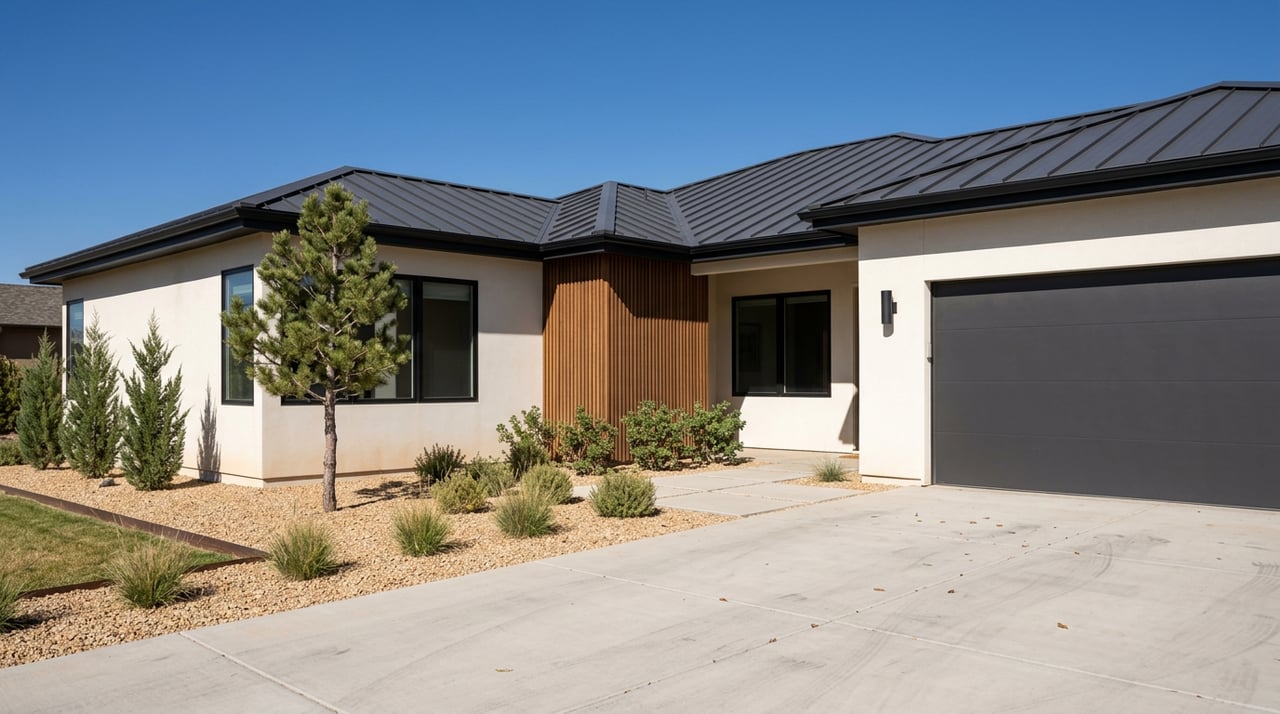
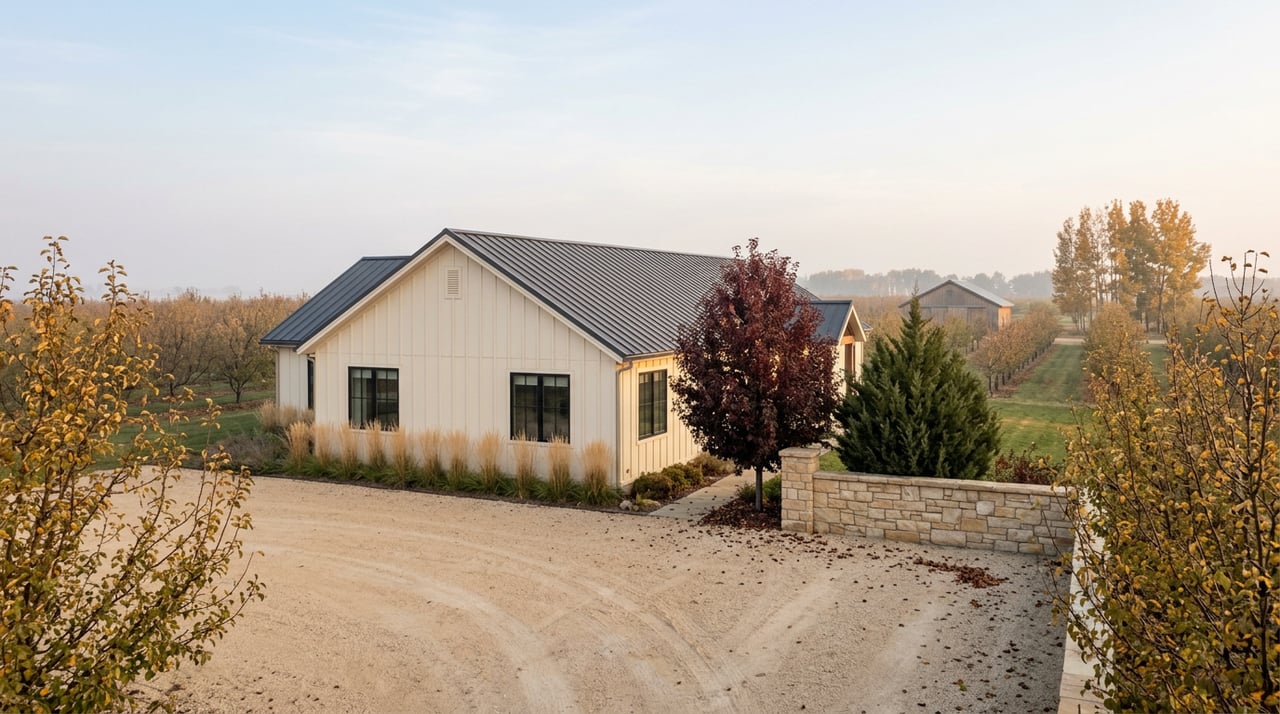
If you picture a quieter, more spacious setting, Redlands often delivers it. The Redlands Area Plan shows average tax-parcel sizes around 2.5 acres, with parcels that include homes averaging about 1.4 acres, which explains the larger yard and more private feel many buyers notice. You will also find a mix of high-end golf-course communities and older rural parcels, so lot sizes and architecture vary by subdivision. Residential use is the most common land use across the planning area, which reinforces the quiet, primarily residential identity.
For a deeper look at lot patterns and land use, review the county’s detailed Redlands Area Plan, which documents parcel sizes, subdivision patterns, and service districts. It is a helpful reference when you want to understand why one street feels more rural than another.
Closer to Downtown Grand Junction, lots tend to be smaller and streets more connected. City residential districts often allow minimum lot sizes of about 7,000 square feet in many urban zones, with larger minimums in some districts. That framework helps explain the tighter yard feel, classic detached homes, and a higher share of townhomes and condos you see in town.
Redlands typically trades at a premium compared with many in-town neighborhoods. High-end golf-course communities and larger lots push the area higher than the city median. Vendor medians differ because they use different boundaries and time frames, but they show the same story.
The takeaway is simple: expect to pay more in Redlands than in most central neighborhoods, especially in view or golf-course pockets.
Medians swing when there are only a handful of sales, and Redlands Mesa often has small monthly sample sizes. A few luxury closings can move the median a lot. When you compare options, focus on recent sold comps in the same subdivision and look at price per square foot, not just one headline number. You can see an example of low monthly sale counts in the Redlands Mesa market snapshot. Redlands Mesa sales data example
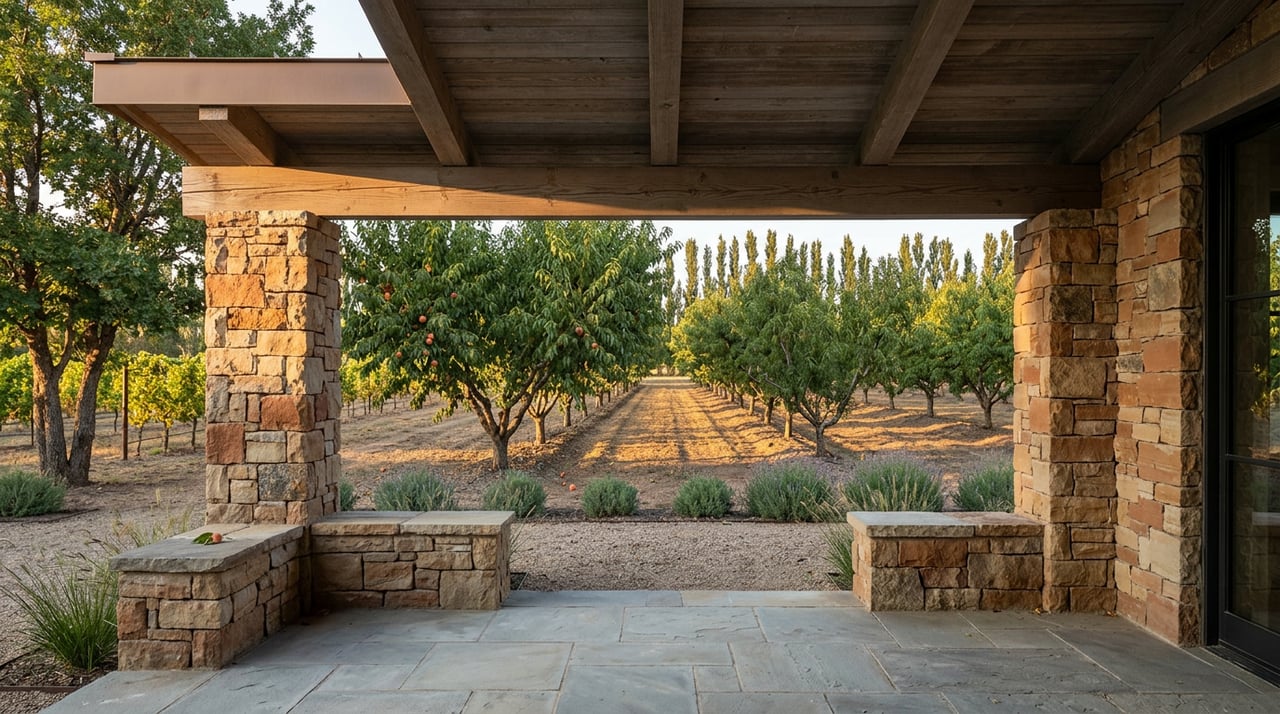
Redlands shines for quick access to the outdoors. Portions of the community sit just below the Colorado National Monument, and the Lunch Loops network and Monument Trail connections put hiking and biking within minutes for many residents. If you want to ride or hike after work without loading the car, that proximity can be a daily quality-of-life upgrade. Learn more about the Monument and its trail access points. Colorado National Monument overview
Golf is also a lifestyle anchor for several Redlands subdivisions, with courses like Redlands Mesa and Tiara Rado shaping nearby neighborhoods. Even if you are not a golfer, these amenities influence home design, views, and HOA standards in their immediate areas.
Drive times from Redlands to Downtown Grand Junction vary by the street you live on. Some homes are 5 to 10 minutes from downtown and the riverfront. Other pockets, especially farther south or west, can be 10 to 20 minutes or more, depending on conditions. City response and drive-time maps show how parts of Redlands fall within shorter response polygons while others sit outside them, which mirrors what you feel on the road. You can view an example of these response areas in a city map resource. City drive-time map example
If quick errands and frequent dining out are priorities, in-town living makes that easier. If you prefer a quiet setting and do not mind a slightly longer drive for groceries or school events, Redlands may fit better.
Redlands includes both city and county jurisdictions, a variety of irrigation providers, and a mix of utility arrangements. Some parcels are tied to smaller water systems or use septic. The Redlands Area Plan flags these service details and notes that development and sewer coordination may involve annexation in certain service areas. Before you write an offer, confirm whether a property is on municipal sewer and water or on private systems, and ask for current inspection documentation if septic is involved. Redlands Area Plan utility context
Wildfire risk also varies across the planning area. The Mesa County Community Wildfire Protection Plan rates portions of Redlands from moderate to higher levels in localized pockets, depending on vegetation, access, and water supply. Hydrant coverage, defensible space, and roof and siding materials are worth reviewing in your inspection window. You can skim the county’s wildfire plan for a sense of how risk is mapped and mitigated. Mesa County Wildfire Protection Plan
Both choices can be great. Your fit depends on what you value day to day.
Use this quick list to tighten your search and reduce surprises:
You have good options on both sides of the river. If you want larger lots and trail access, Redlands is a strong fit, especially in view-oriented pockets. If you want a shorter daily loop and a lower price point, in-town neighborhoods often make the numbers work. The right path is the one that matches your lifestyle and your budget today.
If you are ready to tour both settings, compare true sold comps, and verify utilities and risk items with confidence, let’s talk. Schedule a friendly, no-pressure consultation with Michelle Ritter to map your next move.
Stay up to date on the latest real estate trends.
A thoughtful, results-focused approach designed around each client’s unique goals. Every project is handled with clarity, attention to detail, and a collaborative process that ensures effective, well-aligned outcomes from start to finish.