Everyday Life In Palisade Wine And Orchard Country
May 14, 2026
May 14, 2026
If you have ever wondered what it really feels like to live in Palisade, the answer goes far beyond tasting rooms and peach season. Daily life here is shaped by a small-town routine, orchard and vineyard cycles, river access, and a pace that feels grounded in place. If you are considering a move to Palisade or simply want a clearer picture of the area, this guide will walk you through what everyday life looks like and why so many people are drawn to it. Let’s dive in.
One of the first things you notice about Palisade is how compact and centered it feels. According to the town, once you exit I-70 at Exit 42 and head onto Main Street, you reach the heart of town within two blocks. That layout supports a daily rhythm that feels local and connected rather than spread out.
The town’s official resources point residents to everyday essentials like the library branch, community center, swimming pool, post office, parks, and public meetings. In practical terms, that means many of the routines that shape your week are tied to a recognizable town center. For buyers who want a community with a more grounded, service-oriented feel, that is a big part of Palisade’s appeal.
There is also a regular social rhythm built into the calendar. The town highlights a Sunday Farmer’s Market along with festivals and community events, which helps explain why Palisade often feels active without feeling rushed. Life here is not built around constant expansion. It is built around recurring places, familiar errands, and seasonal gatherings.
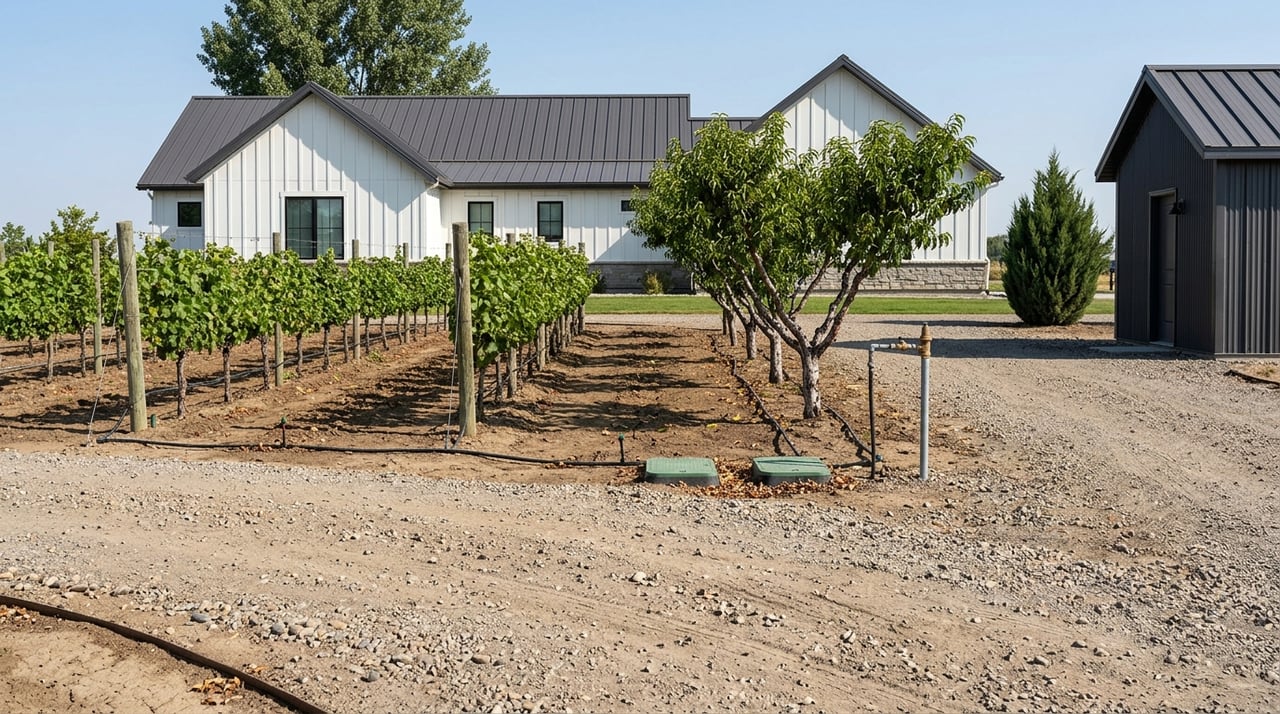
Palisade is closely tied to agriculture, and that shows up in everyday life. Colorado.com describes the town as being in the heart of Colorado’s wine country, with more than 20 area wineries. The same source notes that the Palisade Peach Festival celebrates a harvest tied to 500,000 Elberta peach trees cared for by more than 300 local growers.
That agricultural identity is not limited to peaches. Local orchards also grow cherries and apricots, which means the seasons are visible in a very real way. Instead of feeling disconnected from the land around you, you are constantly reminded that growing cycles, harvest timing, and farm activity are part of the local rhythm.
For many people, that creates a lifestyle that feels distinct from other parts of the Grand Valley. Fruit stands, orchard views, and vineyard landscapes are not just attractions for a weekend visitor. They are part of what you see and move through in the course of a normal week.
Visit Palisade describes the valley as having more than 300 days of sunshine and mild winters. Nearby NOAA climate normals for Grand Junction Walker Field show annual precipitation of 9.06 inches and annual snowfall of 17.7 inches. July normal temperatures are 94.5°F for highs and 63.9°F for lows, while December normals are 38.8°F and 18.0°F.
Those numbers help explain why outdoor living is such a visible part of the area. Warm, dry weather supports long stretches of time outside, while cool nights help support the agricultural conditions the region is known for. In everyday terms, Palisade living often means planning around shade, hydration, and seasonal routines, especially during the hottest part of summer.
In Palisade, movement through town can feel like part of the lifestyle itself. Visit Palisade highlights the Fruit & Wine Byway, which includes the East Cruiser Loop at 5 miles, the West Cruiser Loop at 7 miles, and the East Orchard Mesa Loop at 25 miles. These routes pass orchards, vineyards, wineries, and Colorado River scenery.
That matters because it shows how closely daily life is tied to the surrounding landscape. Even a short drive or bike ride can take you through some of the area’s most recognizable scenery. In many communities, recreation and everyday errands are separate. In Palisade, they often overlap.
The same local transportation information also notes that tasting outings are often organized with shuttles, pedicabs, trolley service, and guided rides. That gives residents and visitors options for enjoying the area in a more intentional way. It also reflects how established wine and orchard tourism is within the town’s broader routine.
Palisade’s outdoor appeal is not just about views. It is also about access. Riverbend Park is one of the clearest examples of that, with a 1.75-mile paved trail, a boat ramp, disc golf, playgrounds, and open space along the Colorado River.
This kind of amenity changes the feel of daily life. It gives you an easy place to walk, spend time outdoors, or enjoy the river without needing to plan a major outing. Colorado.com also highlights float trips, rafting, and kayaking in the area, which reinforces that river recreation is part of the local leisure routine.
The town also reminds residents and visitors that river running is inherently hazardous and that private property exists on both sides of the river. That is worth knowing if you are picturing a more active outdoor lifestyle here. Access is a major benefit, but it comes with the same practical awareness you would want in any river community.
Visit Palisade says the Colorado Riverfront Trail begins in Palisade and runs about three-quarters of a mile along the north bank of the river. Along the way, you get views of the Bookcliffs, Grand Mesa, orchards, and wineries. For many residents, that kind of trail access is part of what makes the town feel livable on an ordinary Tuesday, not just on a holiday weekend.
There are also bigger trail experiences nearby. The Palisade Rim Trail offers a 13-mile hike, plus a shorter 4-mile lower loop, with views about 1,000 feet above the valley floor. The Palisade Plunge is a 32-mile nonmotorized downhill trail dropping about 6,000 feet from the Grand Mesa to downtown Palisade.
These are better thought of as special outings rather than everyday activities for most people. Still, they shape how buyers think about the area. If you value proximity to outdoor recreation, Palisade offers a setting where both casual access and bigger adventure are close at hand.
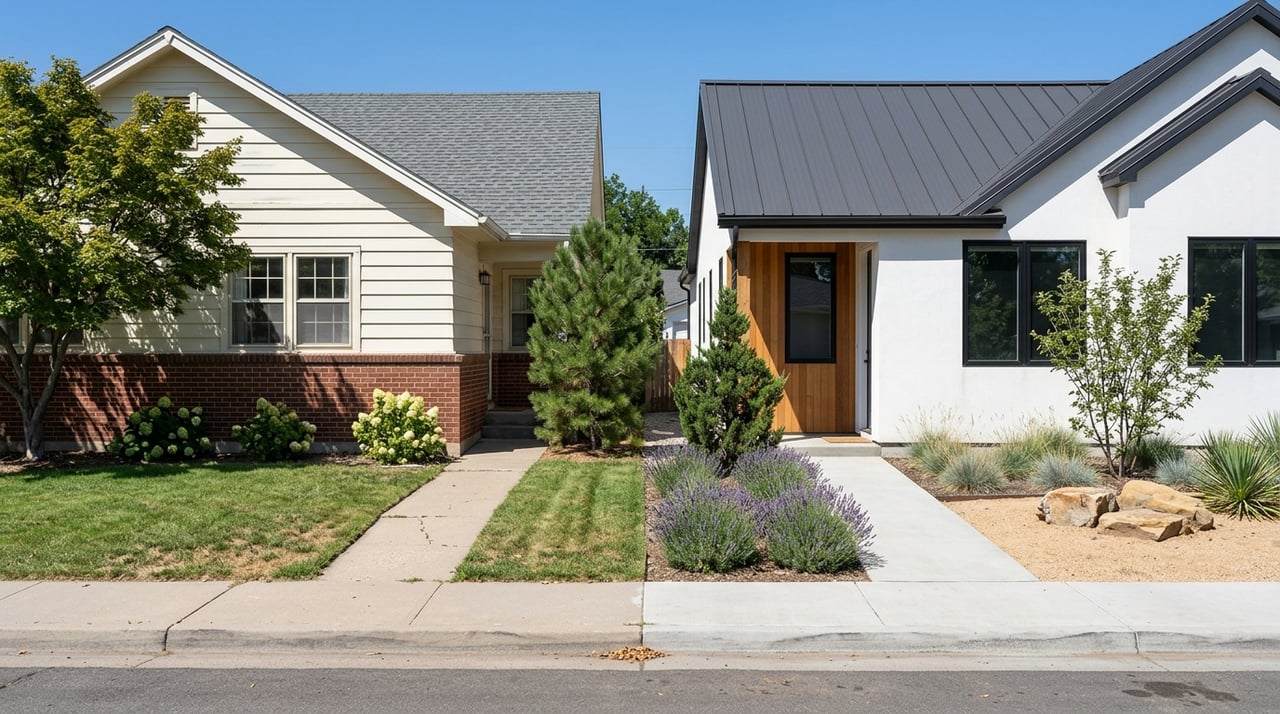
If you are trying to picture the housing pattern in Palisade, the available data points to a low-density residential setting. The Colorado State Demography Office’s town profile reported 1,340 total housing units in 2019. It also showed that 59% were owner-occupied and 74.7% of units were classified as single-unit buildings.
The same profile found no buildings with five or more units in its housing table and listed a median year of construction of 1985. That does not define every property in town, but it does suggest a market that leans more toward houses and smaller-scale residential living than large apartment-style development. For many buyers, that aligns well with Palisade’s small-town character.
This is also helpful if you are comparing Palisade to other parts of the Grand Valley. The housing pattern supports a quieter feel, with more emphasis on standalone homes and neighborhood-scale living. If your goal is a place that feels less dense and more tied to land, views, and local character, Palisade stands out.
Palisade may feel calm and self-contained, but it is still connected to the broader regional economy. The Colorado State Demography Office profile shows that 50% of Palisade residents who work elsewhere commute to Grand Junction. That makes Palisade an appealing option for people who want a quieter home base while staying linked to jobs, services, and amenities in the larger area.
This balance is one of the town’s most practical advantages. You can enjoy a distinct local identity without feeling isolated from the rest of the Grand Valley. For many buyers, that combination of lifestyle and access is exactly what makes Palisade work.
When you put it all together, everyday life in Palisade is shaped by a few repeating patterns. There is a compact town center for the basics, a strong agricultural calendar that changes the feel of the year, easy access to river and trail recreation, and a housing stock that leans residential and low-density. None of those features stands alone.
What makes Palisade unique is how those pieces overlap. You might run errands near Main Street, spend time by the river, and drive past orchards and vineyards all in the same day. That blend gives the town its character and helps explain why it appeals to both full-time residents and lifestyle-minded buyers looking for something more rooted in place.
If you are thinking about buying or selling in Palisade, it helps to work with someone who understands not just the market, but the day-to-day feel of each part of the Grand Valley. For clear guidance and a steady, local perspective, Michelle Ritter is here to help you talk through your next move.
Stay up to date on the latest real estate trends.
A thoughtful, results-focused approach designed around each client’s unique goals. Every project is handled with clarity, attention to detail, and a collaborative process that ensures effective, well-aligned outcomes from start to finish.